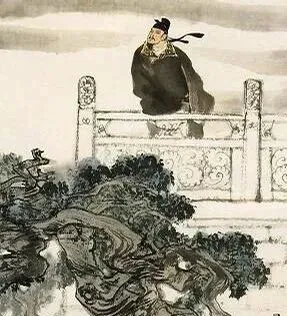

六期回眸
丝路长歌
未央宫丨洛阳丨莫高窟丨沙坡头丨门源皇城草原丨赛里木湖
六个月,六期节目,六个坐标。
Six months, six episodes, six coordinates.
从关中平原的宫阙残垣,到天山深处的蓝冰净海;从黄河岸边的麦草方格,到祁连山麓的皇城牧歌。我们试图用镜头与文字,重新丈量那条既古老又年轻的道路——它曾在两千年前的史书里被称作"西域",在今天,它被世界称为"一带一路"。
From the ruined palace walls on the Guanzhong Plain to the blue ice and pure waters deep in the Tianshan; from the wheat-straw checkerboards along the Yellow River to the imperial grassland songs at the foot of the Qilian Mountains. Through lens and text, we have tried to remeasure that road which is both ancient and young — called the "Western Regions" in histories two thousand years ago, and known today as the "Belt and Road."
六期节目,六个切片,拼贴出一条完整的文明脉络。
Six episodes, six slices, piecing together a complete civilizational vein.
未央宫遗址
1 Weiyang Palace Ruins
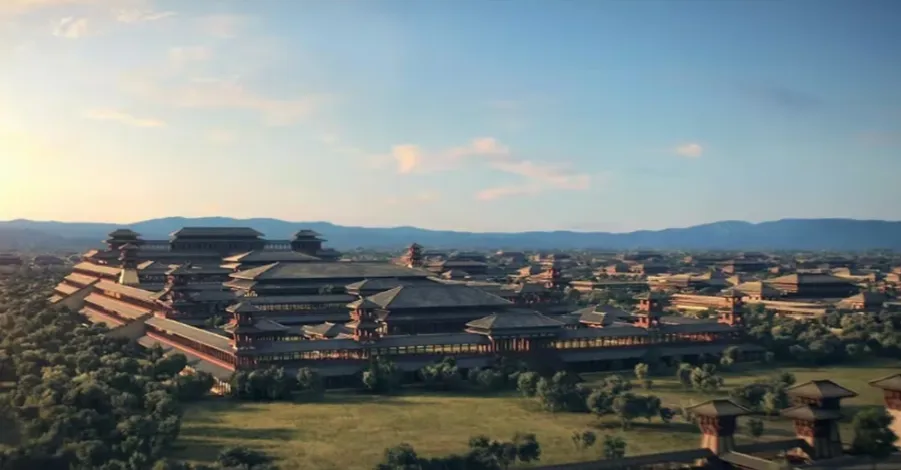
长安向西,起点在此。 Westward from Chang'an — the starting point is here.
站在未央宫前殿的夯土台基上,风穿过两千年的光阴,依稀能听见张骞接过符节时的沉响。这里是丝绸之路的东方原点,是汉帝国面向西方投出的第一束目光。断壁残垣并非废墟,而是一部凝固的诏书——它宣告了一个文明主动走向世界的决心。当落日把前殿遗址染成金红,你会明白:所谓"一带一路",最早的精神源代码,就写在这片黄土之下。 Standing on the rammed-earth platform of Weiyang Palace's front hall, the wind cuts through two millennia, and one can almost still hear the heavy resonance as Zhang Qian received his imperial tally. This is the eastern origin of the Silk Road, the first beam of light cast westward by the Han Empire. The broken walls are not ruins, but a solidified imperial edict — proclaiming a civilization's resolve to step voluntarily toward the world. When the setting sun dyes the front hall ruins golden-red, you will understand: the earliest spiritual source code of what we now call the "Belt and Road" was written beneath this very yellow soil.


汉魏洛阳故城
2 Han-Wei Luoyang Ancient City
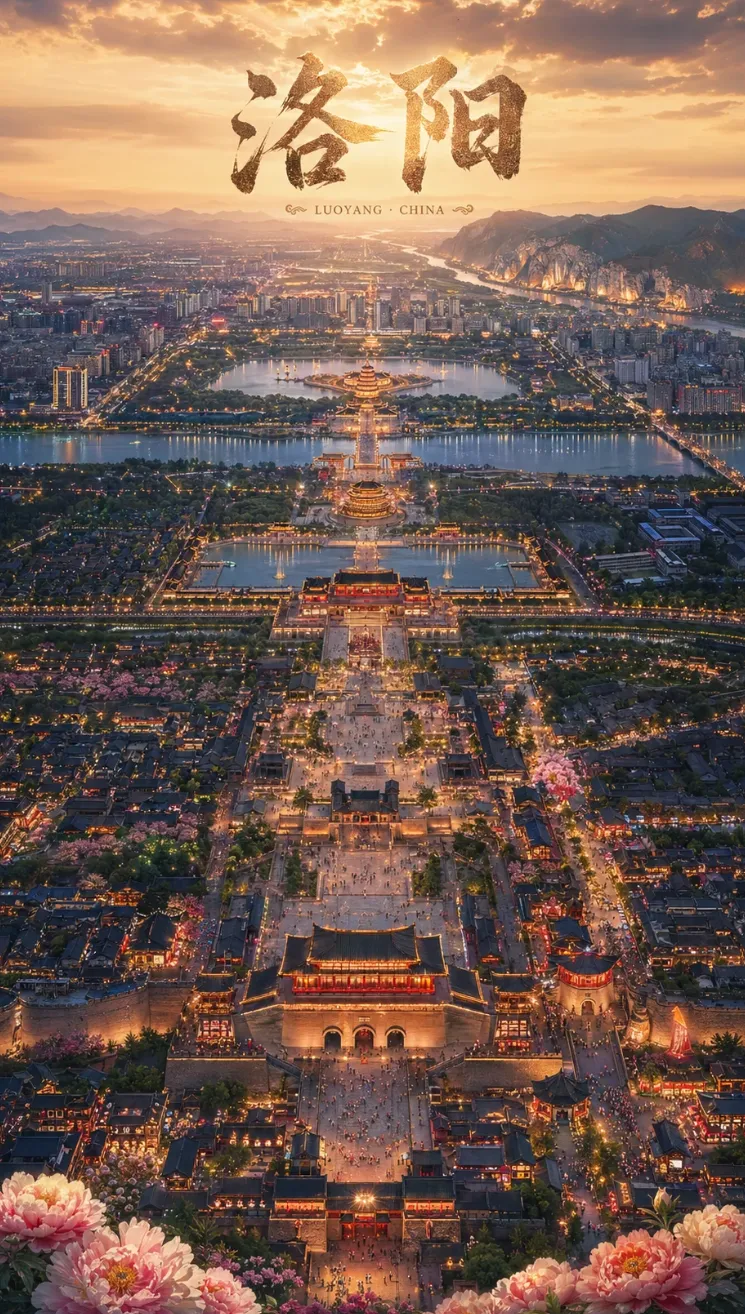
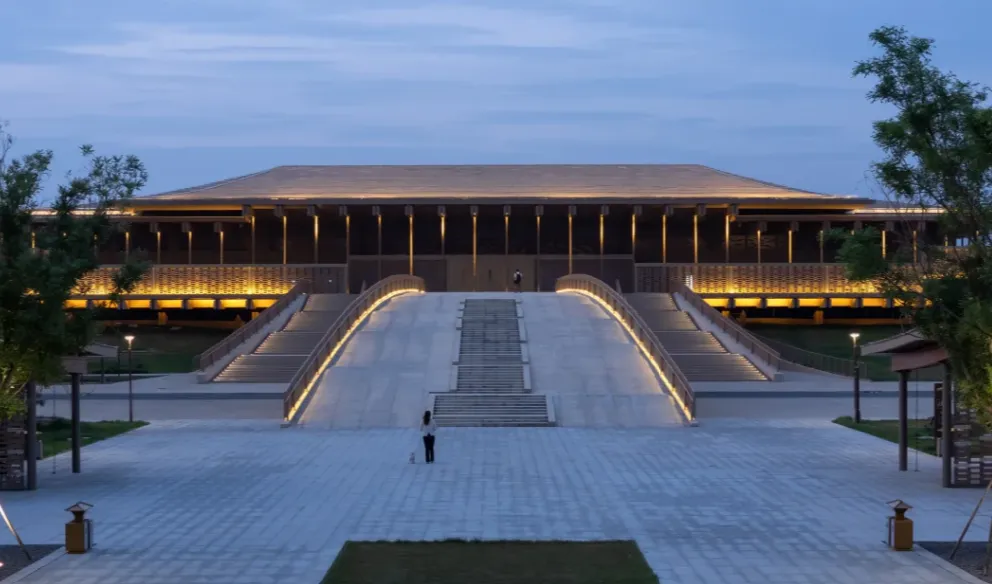
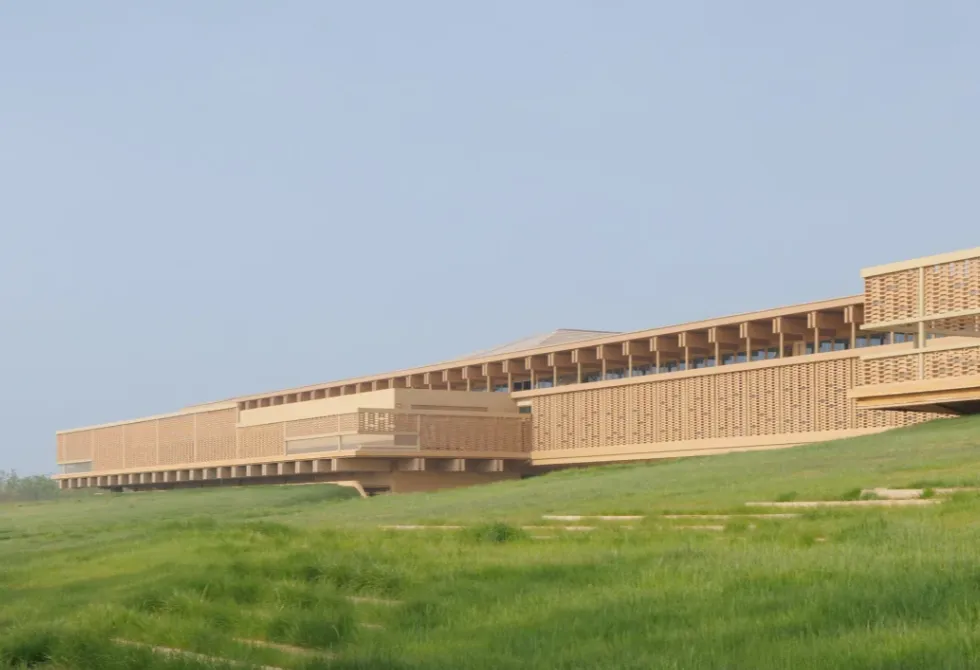
若说未央宫是决策的起点,洛阳便是相遇的现场。
If Weiyang Palace was where the decision was made, Luoyang was where the encounter happened.
永宁寺塔的残影里,藏着佛教东来的第一步脚印;西域使馆的遗址上,曾走过大秦(罗马)使节的身影。汉魏洛阳故城是丝绸之路第一次大规模"面对面"的地方——希腊的柱式、波斯的织锦、印度的梵呗与中原的礼乐,在此碰撞出最初的火花。那些坍塌的城墙不是终结,而是文明互鉴最早的纪念碑。
Within the shadow of the Yongning Temple pagoda lie the first footprints of Buddhism's eastward journey; upon the ruins of the Western Regions embassy once walked the figures of envoys from Daqin (Rome). The Han-Wei Luoyang Ancient City was the first place on the Silk Road where civilizations met "face to face" on a grand scale — Greek column orders, Persian brocades, Indian chants, and Central Plains ritual music collided here to spark the first flames. Those collapsed walls are not an end, but the earliest monument to mutual learning among civilizations.


莫高窟
3 Mogao Caves
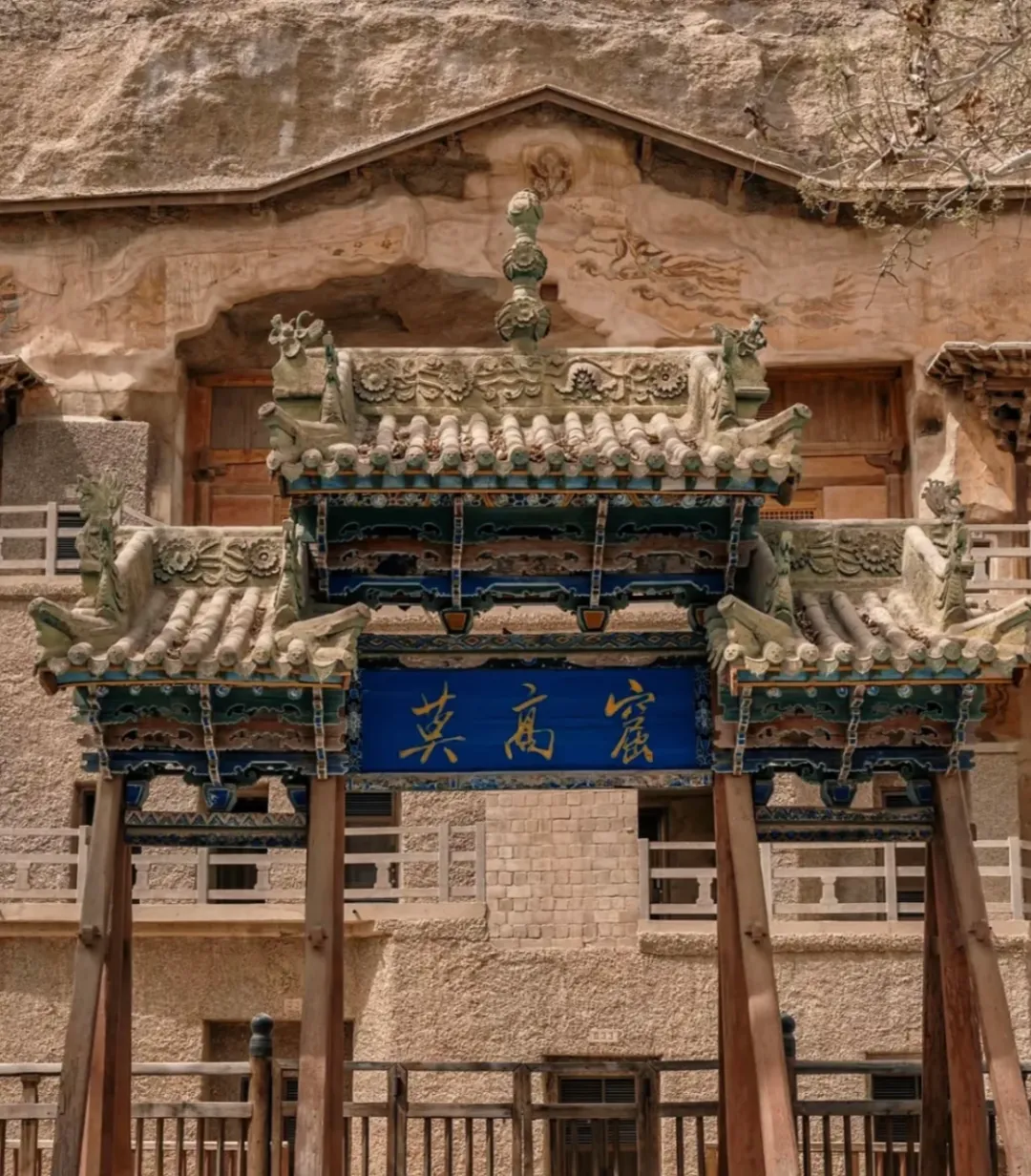
河西走廊的咽喉,文明交融的实体见证。
The throat of the Hexi Corridor, a physical testament to civilizational fusion.
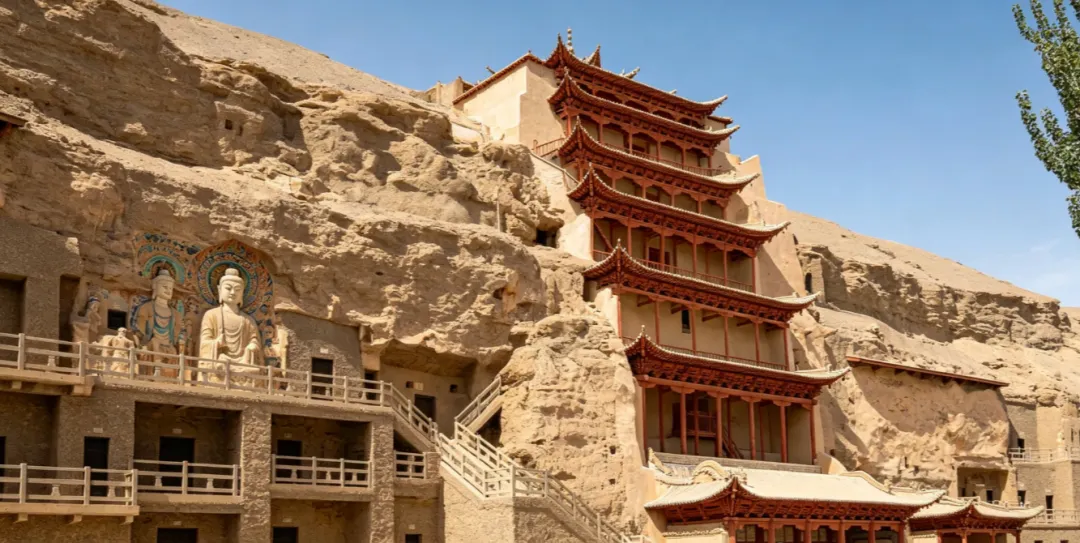
推开窟门,希腊的忍冬纹缠着印度的菩萨,波斯的联珠纹裹着中原的飞天,粟特商队的面孔与大唐供养人的衣袂共处一壁。莫高窟从不是单一的佛教艺术宝库,它是古代世界最宏大的"文化拼贴"——不同信仰、不同审美、不同技艺在此放下偏见,共同完成了一场跨越千年的集体创作。每一幅壁画都在诉说:文明的极致,不是独尊,而是共生。
Push open the cave door, and Greek acanthus vines entwine Indian bodhisattvas; Persian pearl roundels wrap Central Plains flying apsaras; Sogdian merchant faces share the same wall with the sleeves of Tang dynasty donors. The Mogao Caves were never merely a Buddhist art treasury — they are the most magnificent "cultural collage" of the ancient world, where different beliefs, aesthetics, and crafts laid down their prejudices to jointly complete a collective creation spanning millennia. Every mural whispers: the pinnacle of civilization lies not in supremacy, but in symbiosis.
沙坡头国家级自然保护区
4 Shapotou National Nature Reserve
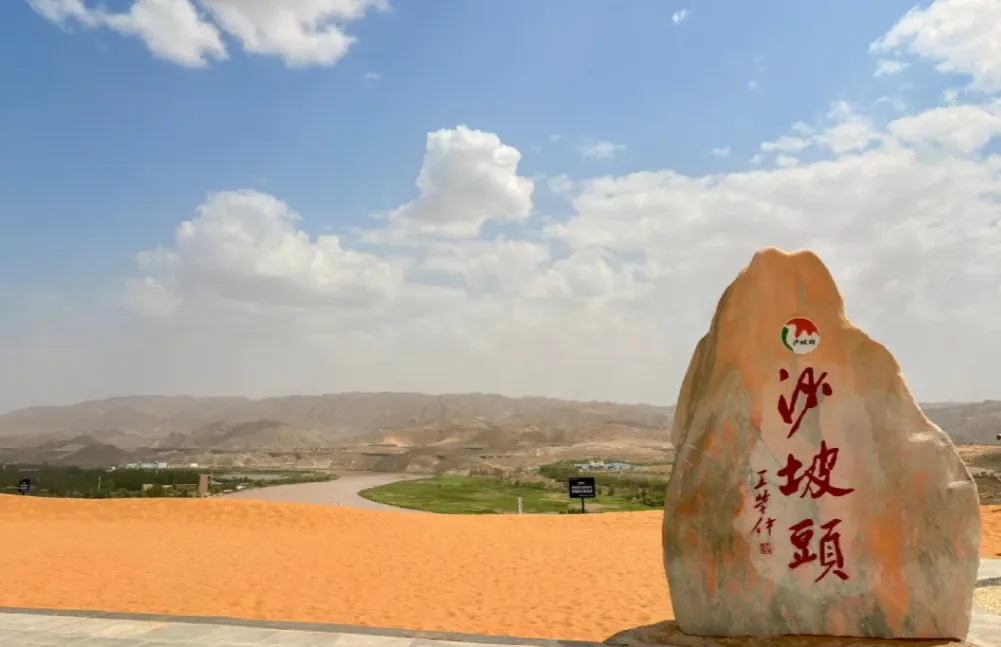
丝路北道,黄沙与碧水的握手。 The northern Silk Road, where yellow sand and jade waters shake hands.
包兰铁路穿沙而过,麦草方格锁住腾格里的流动——这是中国人写给沙漠的情书,也是"绿色丝路"最早的当代注脚。在这里,生态不是发展的对立面,而是文明延续的前提。当留学生们站在沙丘上,看见黄河拐弯处的绿洲与远处的光伏矩阵交相辉映,他们读懂了:古老的丝绸之路若要通向未来,必须先学会与自然和解。
The Baotou-Lanzhou Railway cuts through the sands, and wheat-straw checkerboards lock the Tengger Desert in place — this is a love letter from the Chinese people to the desert, and the earliest contemporary footnote to the "Green Silk Road." Here, ecology is not the opposite of development, but the prerequisite for civilization's continuation. When international students stand atop the dunes and see the oasis where the Yellow River bends, mirrored against distant photovoltaic arrays, they understand: if the ancient Silk Road is to lead into the future, it must first learn reconciliation with nature.


门源皇城草原
5 Menyuan Huangcheng Grassland
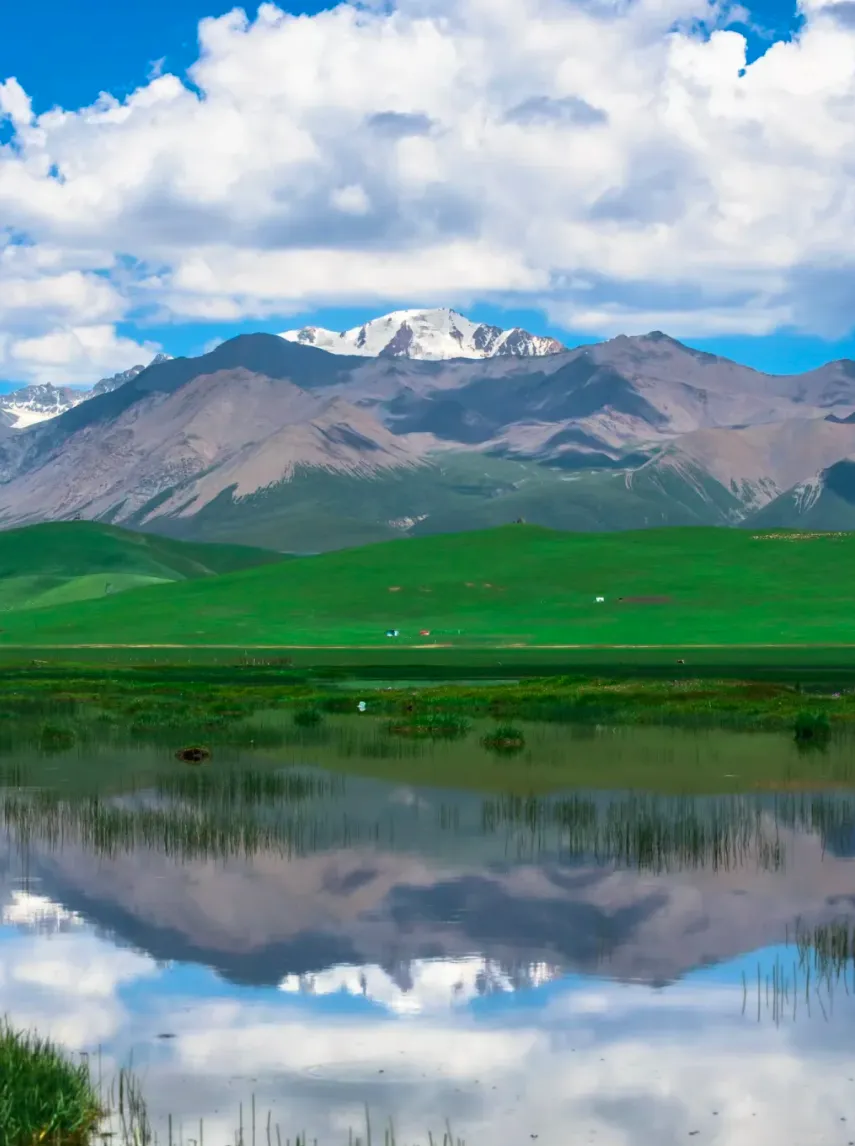
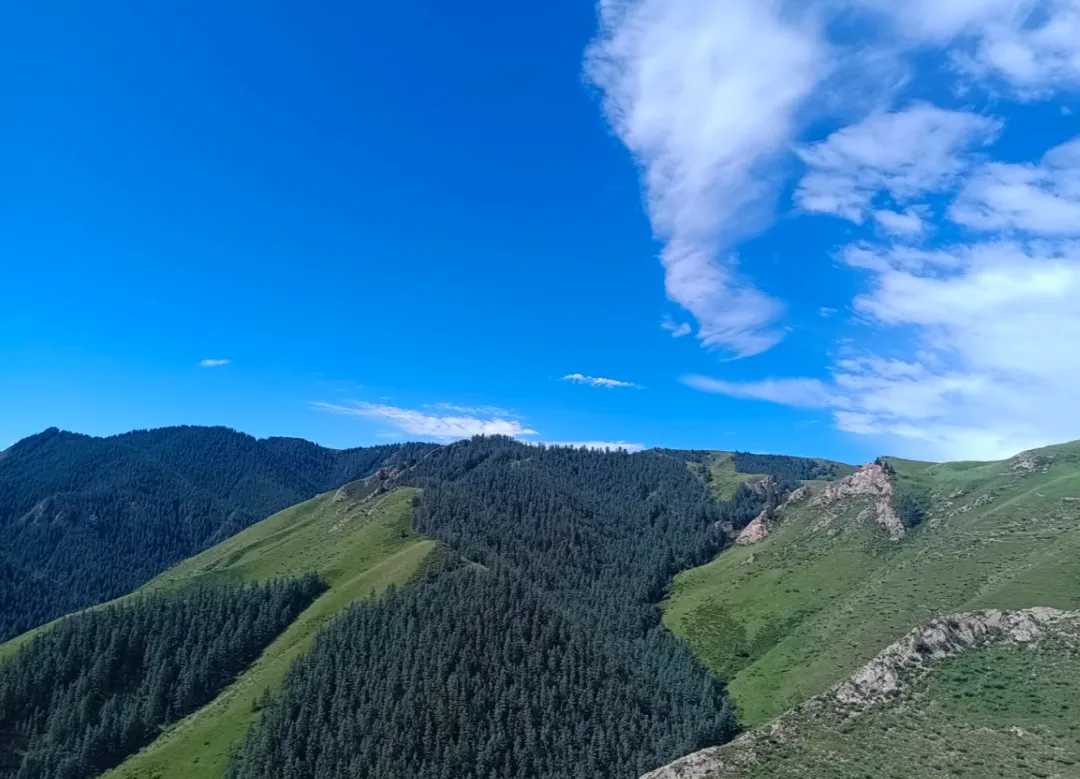
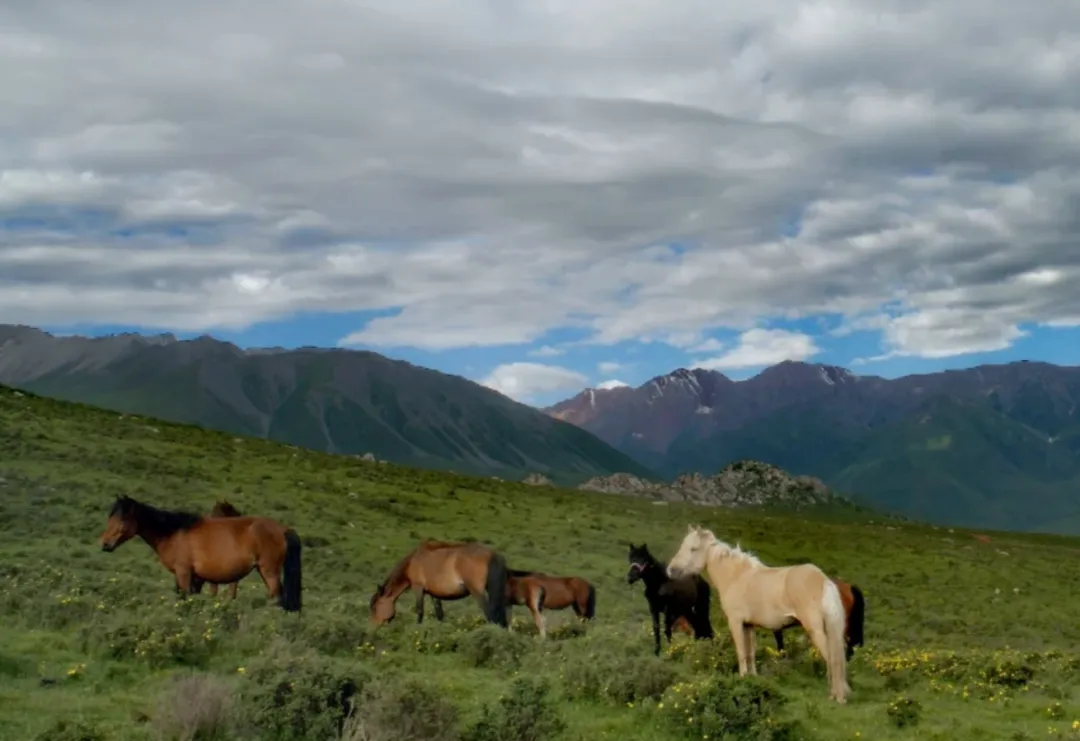
祁连山腹地,丝路南线的支脉。
Deep in the Qilian Mountains, a tributary of the southern Silk Road.
蒙元的黄城遗韵与格萨尔的史诗吟唱交织,藏族的华热服饰与蒙古族的刺绣辉映,清真寺的邦克声与敖包旁的祝词遥相呼应。六个民族共牧一片"锦地千里",这不是简单的地理杂居,而是中华文明"和合"理念最生动的草原注脚。那达慕的赛马、花儿会的对唱、毡房里的奶茶——这些日常而炽热的细节,构成了命运共同体最原始的民间版本。
The lingering charm of Mongol Yuan's Yellow City interweaves with the chants of the Gesar Epic; Tibetan Huare garments reflect the exquisite embroidery of the Mongolians; the adhan from the mosque and the prayers beside the ovoo cairns answer one another across the distance. Six ethnic groups herd upon a single "thousand leagues of brocade land" — this is not mere geographical cohabitation, but the most vivid grassland annotation of the Chinese civilization's philosophy of "harmony in diversity." The Naadam horse races, the Hua'er folk song duets, the milk tea inside the yurt — these ordinary yet blazing details constitute the most primal folk version of a community with a shared future.

赛里木湖
6 Sayram Lake
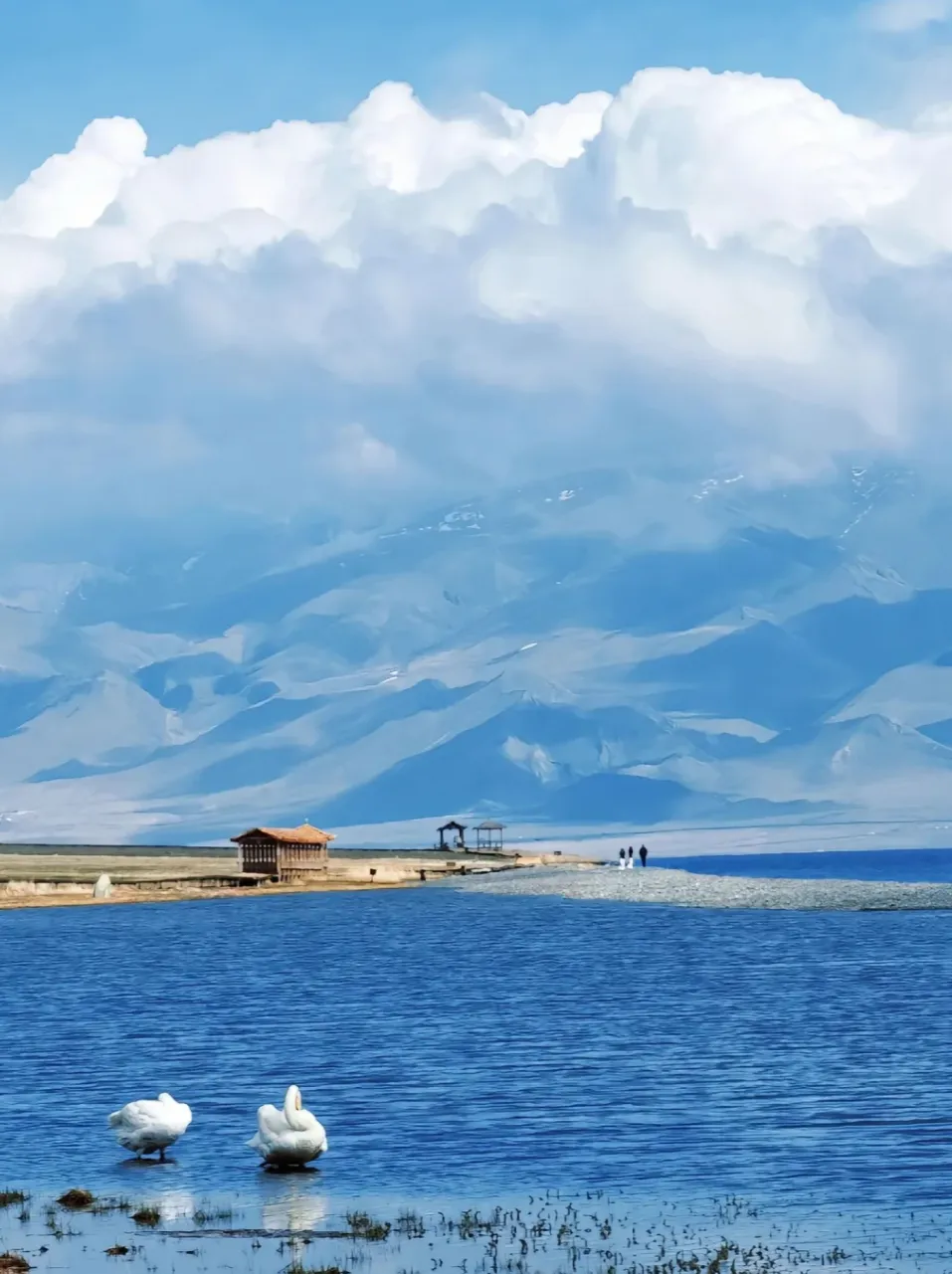
天山之巅,大西洋暖湿气流最后的眷恋。
At the summit of the Tianshan, the last lingering attachment of Atlantic warm air currents.
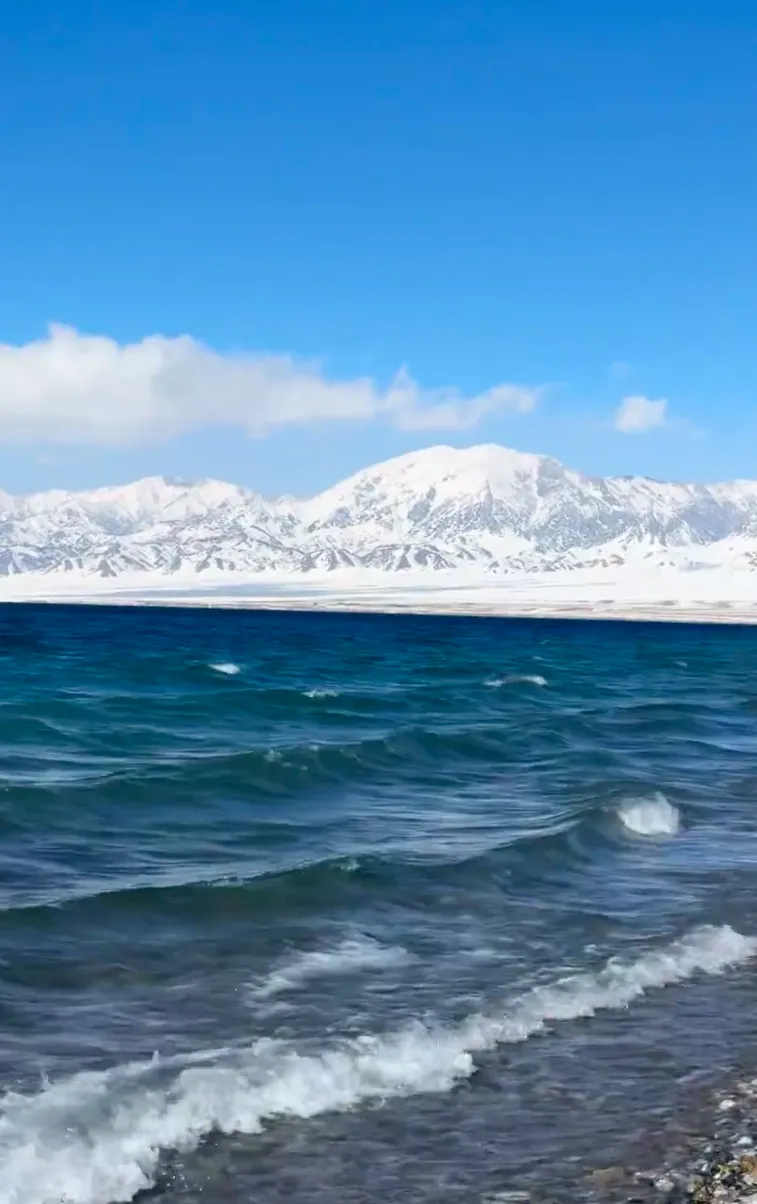
哈萨克族的冬不拉、蒙古族的马头琴、中亚的手鼓与世界的环保理念在湖畔共鸣。当蒙古留学生在毡房里喝到与故乡一模一样的奶茶,当德国交换生与新疆学子共同记录高白鲑的洄游数据,赛里木湖便不再只是地理意义上的高山湖泊——它是一面镜子,照见不同文明如何放下隔阂,共饮一湖碧水。从点将台的烽烟到生态监测站的卫星数据,这片"净海"完成了六期节目最终的升华:丝绸之路的终点,从来不是边疆,而是共识。
The Kazakh dombra, Mongolian horse-head fiddle, Central Asian daf, and global environmental concepts resonate by the lakeside. When a Mongolian student tastes milk tea inside a yurt identical to that of her homeland, and when a German exchange student and Xinjiang classmate jointly record the migration data of the high-white salmon, Sayram Lake ceases to be merely an alpine lake in the geographical sense — it becomes a mirror, reflecting how different civilizations lay down their barriers and share one blue lake. From the beacon smoke of Dianjiang Terrace to the satellite data of ecological monitoring stations, this "Clean Sea" completes the final sublimation of our six episodes: the end of the Silk Road has never been a frontier, but a consensus.
丝路从未终结,它只是不断重新出发
Epilogue: The Silk Road Has Never Ended — It Simply Sets Out Again and Again
六期节目,六重镜像——决策、初遇、信仰、生态、共生、未来。
Six episodes, six mirrors — decision, first encounter, faith, ecology, symbiosis, future.
它们共同诉说着一个古老而常新的命题:丝绸之路从来不只是地理意义上的商道,它是文明对话的语法,是生态共守的契约,是人类命运共同体的史前史。
Together they tell an ancient yet ever-new proposition: the Silk Road was never merely a geographical trade route. It is the grammar of civilizational dialogue, the covenant of ecological co-guardianship, and the prehistory of a community with a shared future for mankind.
今天,当"一带一路"的驼铃声化作中欧班列的汽笛,当壁画上的胡商面孔变成留学生的笑脸,当麦草方格的技术走出国门锁住非洲的流沙——我们发现:那条路从未中断,它只是换了模样,继续生长。
Today, as the camel bells of the "Belt and Road" transform into the whistles of China-Europe freight trains; as the Sogdian merchant faces on the murals become the smiling faces of international students; and as the wheat-straw checkerboard technology crosses borders to anchor the shifting sands of Africa — we discover: that road was never interrupted. It simply changed its appearance, and continues to grow.
从长安到净海,从宫阙到毡房,从壁画到实验室,我们走完的不仅是六千里丝路,更是一种文明向世界敞开的姿态。
From Chang'an to the Clean Sea, from palace halls to yurts, from murals to laboratories — what we have traveled is not merely six thousand li of the Silk Road, but the posture of a civilization opening itself to the world.
项目经理丨李斯雨
撰稿丨陈思雅
图文丨陈思雅
指导老师丨李翠
审核老师丨李璐 白莲花
图片来源于网络