大家好,我是酷歌英语。
一提《三字经》,很多人印象里只是小时候背过的启蒙读物。可真正静下心来读一遍才发现:这短短三字一句、朗朗上口的文字里,藏着中国人最朴素、最通透的人生大智慧。
它不只是识字课本,更是做人的道理、求学的态度、历史的脉络、立身的根基。
为了让大家看得懂、记得住、用得上、爱得深,这次我为《三字经》精心准备了三份礼物:
✅ 逐句配上大白话译文不用查资料、不用猜意思,一眼读懂千年智慧
✅ 逐句配上精准英文对照用英语读懂中国经典,学文化、学英语一举两得
✅ 原创 《三字经》中英文歌曲把经典唱出来,背得快、记得牢,越唱越有精气神
很多人说经典过时了,我却不这么认为。《三字经》里真正闪光的东西,到今天依然在滋养我们:
教我们孝悌忠信,懂得感恩、守住本分 教我们勤学笃行,明白 “幼而学,壮而行” 教我们勤有功、戏无益”,所有优秀都来自日积月累 教我们知史明理,看清古今,更看清自己 教我们修身立德,先做好人,再做好事
里面或许有极少数属于旧时时代的观念,但精华之多、智慧之深,足以让我们一生受益。
我做酷歌英语,一直希望:让传统文化不枯燥,让英语学习不生硬。让经典读起来、背起来、唱起来、用起来,真正走进心里、融入生活,让大家越背越顺、越学越慧、头脑更聪明、格局更开阔。
不管你是学生、家长,还是正在奋斗的年轻人,都建议你认真读一读、背一背、听一听这首中英文《三字经》。慢慢你会发现:文字入心,道理践行,气质改变,人生也会越来越通透。
愿我们都能从《三字经》里,汲取中国式智慧,学得扎实,活得清醒,走得坚定。
—— 酷歌英语
(主歌 1)
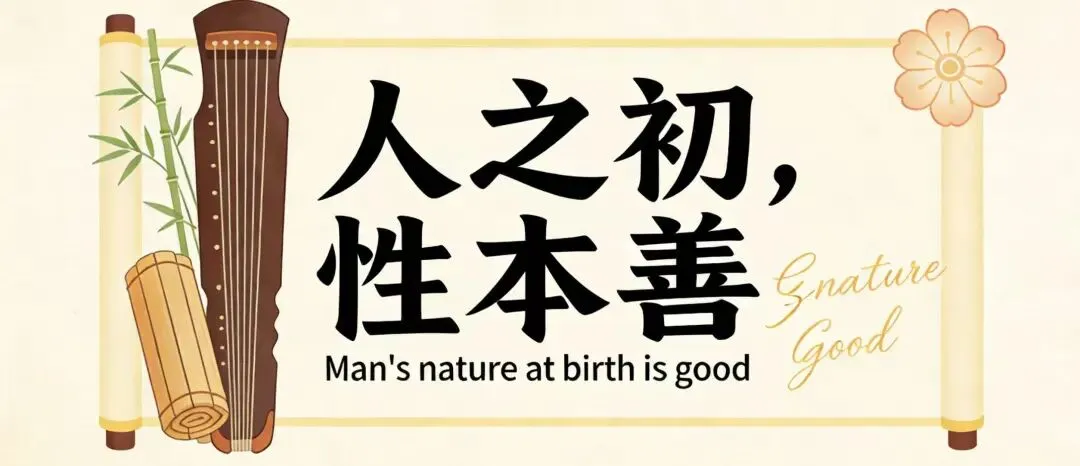
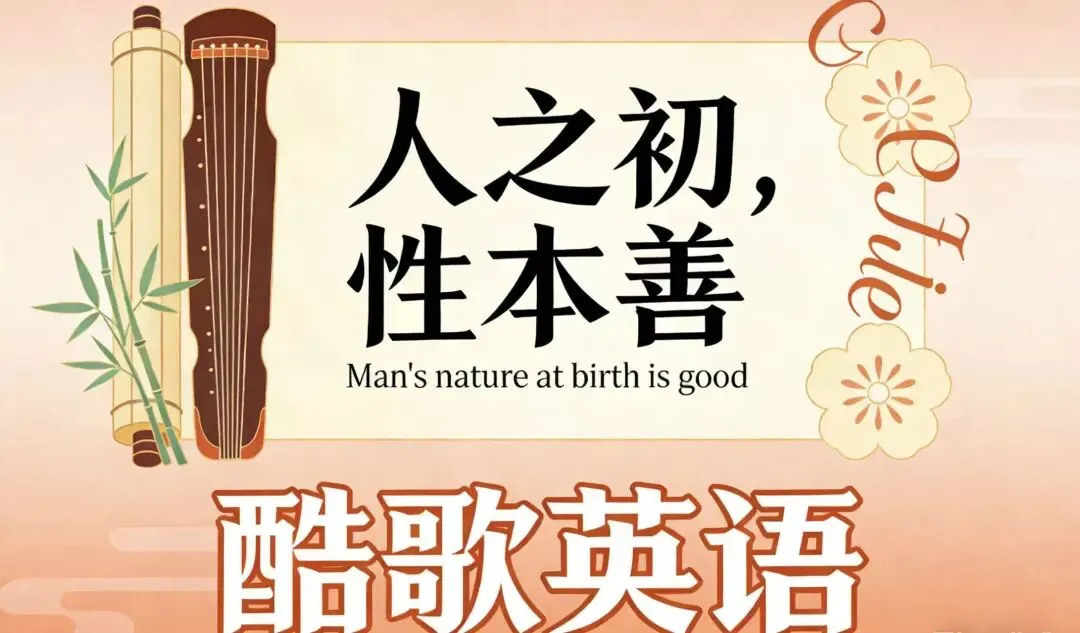
人之初
性本善
People are born good
understand
性相近
习相远
Nature’s the same
but habits go far
苟不教
性乃迁
Without good teaching
heart goes astray
教之道
贵以专
Learn with focus
show me the way
(副歌)
昔孟母
择邻处
Mencius’ mom chose a good view
子不学
断机杼
Learn hard or you’ll regret it too
玉不琢
不成器
Jade uncarved won’t shine clear
人不学
不知义
Study hard and hold virtue near
(主歌 2)
香九龄
能温席
Huang Xiang served with loyalty
融四岁
能让梨
Kong Rong chose the small pear for free
首孝悌
次见闻
Filial piety
then learn to discern
幼而学
壮而行
Grow up wise and stand tall
my friend
勤有功
戏无益
Diligence wins
laziness flees
戒之哉
宜勉力
Keep on going
strive to be free
三字经・英文对照+白话译文
(一句英文+ 一句白话)
文本最后有酷歌英语老师亲自语音诵读
君受益吾所愿
人之初,性本善。People are born good. 人刚出生的时候,本性都是善良的。
性相近,习相远。Human nature is similar, but habits make people different. 人的本性本来差不多,后天习惯让人差距变大。
苟不教,性乃迁。Without education, one’s good nature will change. 如果不加以教育,善良的本性就会改变。
教之道,贵以专。The key to education is focus and perseverance. 教育的方法,最重要的是专心和坚持。
昔孟母,择邻处。Mencius’ mother chose a good neighborhood for her son. 从前孟子的母亲,为了孩子选择好的邻居居住。
子不学,断机杼。She cut her weaving to teach him not to quit learning. 孟子不好好学习,她就剪断织布来教育他。
窦燕山,有义方。Dou Yanshan had a wise way of teaching. 窦燕山有很好、很正当的教育方法。
教五子,名俱扬。He taught five sons, all of whom became famous. 他教育五个儿子,个个都名声远扬。
养不教,父之过。It is the father’s fault if he raises a child without teaching him. 只养活孩子却不教育,是父亲的过错。
教不严,师之惰。It is the teacher’s laziness if teaching is not strict. 教育学生不严格,是老师的懒惰和失职。
子不学,非所宜。A child should not refuse to learn. 小孩子不肯学习,是很不应该的。
幼不学,老何为。If you do not learn young, what can you do when old? 小时候不学习,长大以后能有什么作为?
玉不琢,不成器。Unpolished jade cannot become a fine object. 玉石不打磨雕刻,就成不了有用的器物。
人不学,不知义。People who do not learn cannot understand virtue. 人不学习,就不懂得礼仪和道义。
为人子,方少时。When you are a young child. 做子女的,在年纪还小的时候。
亲师友,习礼仪。Stay close to teachers and friends and learn good manners. 要亲近老师和朋友,学习礼仪规矩。
香九龄,能温席。At nine, Huang Xiang warmed his parents’ bed. 黄香九岁时,就懂得为父母暖被窝。
孝于亲,所当执。Filial piety to parents is what we must practice. 孝顺父母,是每个人都应该做到的。
融四岁,能让梨。At four, Kong Rong gave bigger pears to his brothers. 孔融四岁时,就懂得把大梨让给哥哥。
悌于长,宜先知。Respecting elders should be learned early. 尊敬兄长,从小就应该先学会。
首孝悌,次见闻。First be filial and respectful, then gain knowledge. 首先要孝顺尊长,其次才是增长见识。
知某数,识某文。Learn numbers and characters. 学习算数,认识文字。
一而十,十而百。From one to ten, ten to a hundred. 从一到十,从十到百。
百而千,千而万。From a hundred to a thousand, a thousand to ten thousand. 从百到千,从千到万。
三才者,天地人。Three powers: heaven, earth, and humans. 三才指的是天、地、人。
三光者,日月星。Three lights: sun, moon, and stars. 三光指的是太阳、月亮、星星。
三纲者,君臣义。Three guides: ruler guides minister, father guides son, husband guides wife. 三纲是君臣有道义、父子有亲情、夫妻要和顺。
父子亲,夫妇顺。Father and son are close; husband and wife are harmonious. 父子之间有亲情,夫妻之间和顺相处。
曰春夏,曰秋冬。Spring, summer, autumn, winter. 一年有春夏秋冬四个季节。
此四时,运不穷。These four seasons cycle endlessly. 这四个季节循环运转,没有尽头。
曰南北,曰西东。North, south, west, east. 有南、北、西、东四个方向。
此四方,应乎中。These four directions center on the middle. 四个方向都对应着中心。
曰水火,木金土。Water, fire, wood, metal, earth. 五行是水、火、木、金、土。
此五行,本乎数。These five elements follow natural order. 这五种物质,遵循自然的规律。
曰仁义,礼智信。Benevolence, righteousness, courtesy, wisdom, honesty. 五常是仁、义、礼、智、信。
此五常,不容紊。These five virtues must not be disordered. 这五种道德准则,不能混乱。
稻粱菽,麦黍稷。Rice, millet, beans, wheat, glutinous millet, sorghum. 稻、小米、豆子、麦、黄米、高粱是六谷。
此六谷,人所食。These six grains are people’s food. 这六种谷物,是人们吃的粮食。
马牛羊,鸡犬豕。Horses, cattle, sheep, chickens, dogs, pigs. 马、牛、羊、鸡、狗、猪是六畜。
此六畜,人所饲。These six animals are raised by people. 这六种动物,是人们饲养的家畜。
曰喜怒,曰哀惧。Joy, anger, sorrow, fear. 人的情绪有高兴、愤怒、哀伤、害怕。
爱恶欲,七情俱。Love, hate, desire — these are the seven feelings. 加上喜爱、厌恶、欲望,合起来是七情。
青赤黄,及黑白。Blue, red, yellow, black, white. 五色是青、红、黄、黑、白。
此五色,目所识。These five colors are seen by the eyes. 这五种颜色,是眼睛能辨认的。
酸苦甘,及辛咸。Sour, bitter, sweet, spicy, salty. 五味是酸、苦、甜、辣、咸。
此五味,口所含。These five tastes are felt by the mouth. 这五种味道,是嘴里能尝出来的。
膻焦香,及腥朽。Goaty, burnt, fragrant, fishy, rotten. 五种气味是膻、焦、香、腥、腐。
此五臭,鼻所嗅。These five smells are smelled by the nose. 这五种气味,是鼻子能闻到的。
匏土革,木石金。Gourd, clay, leather, wood, stone, metal. 乐器材料有匏、土、革、木、石、金。
丝与竹,乃八音。Silk and bamboo make eight musical sounds. 加上丝、竹,一共是八种乐器声音。
高曾祖,父而身。Great-grandfather, grandfather, father, oneself. 高祖父、曾祖父、祖父、父亲到自己。
身而子,子而孙。Oneself, son, grandson. 自己到儿子,儿子到孙子。
自子孙,至玄曾。From sons and grandsons to great-great-grandsons. 从子孙到曾孙、玄孙。
乃九族,人之伦。These nine generations form family relations. 这九代人,构成了家族伦理。
父子恩,夫妇从。Kindness between father and son, harmony between husband and wife. 父子有恩情,夫妻要和顺。
兄则友,弟则恭。Elder brothers are kind; younger brothers are respectful. 哥哥友爱弟弟,弟弟恭敬哥哥。
长幼序,友与朋。Elders and youngsters in order; friends keep faith. 长幼有次序,朋友之间讲信用。
君则敬,臣则忠。Rulers are respectful; ministers are loyal. 君主敬重臣子,臣子忠于君主。
此十义,人所同。These ten duties are shared by all. 这十种道义,是人人都应遵守的。
当师叙,勿违背。Follow them and do not go against them. 应当遵从,不要违背。
凡训蒙,须讲究。Teach children carefully. 启蒙教育,一定要认真细致。
详训诂,明句读。Explain words clearly and teach punctuation. 详细解释字义,教会断句和停顿。
为学者,必有初。Learning must start with basics. 做学问,一定要从基础开始。
小学终,至四书。Finish elementary learning, then study the Four Books. 小学知识学完,就可以学习四书。
论语者,二十篇。The Analects has twenty chapters.《论语》一共有二十篇。
群弟子,记善言。Confucius’ disciples recorded his wise words. 是孔子弟子记录的孔子的精彩言论。
孟子者,七篇止。Mencius has seven books.《孟子》一共有七篇。
讲道德,说仁义。It speaks of virtue, benevolence, and righteousness. 主要讲道德,讲仁义。
作中庸,子思笔。The Doctrine of the Mean was written by Zisi.《中庸》是子思写的。
中不偏,庸不易。Balance means not leaning; constancy means not changing. 中是不偏斜,庸是坚守不变的道理。
作大学,乃曾子。The Great Learning was written by Zengzi.《大学》是曾子写的。
自修齐,至平治。From self-cultivation to governing the world. 从修身齐家,到治国平天下。
孝经通,四书熟。Master the Classic of Filial Piety and the Four Books. 读懂《孝经》,熟读四书。
如六经,始可读。Then you may read the Six Classics. 才可以开始读六经。
诗书易,礼春秋。Book of Songs, History, Changes, Rites, Spring and Autumn.《诗经》《尚书》《周易》《礼记》《春秋》。
号六经,当讲求。Called the Six Classics, they should be studied. 合称六经,应当认真学习。
有连山,有归藏。Lianshan, Guicang. 古代有《连山》《归藏》易书。
有周易,三易详。And Zhouyi — these are the three Changes. 加上《周易》,合称三易。
有典谟,有训诰。Records, advice, instructions, announcements.《尚书》里有典、谟、训、诰等文体。
有誓命,书之奥。Oaths, commands — the Book of History is profound. 还有誓、命,内容很深奥。
我周公,作周礼。The Duke of Zhou wrote the Rites of Zhou. 周公制定了《周礼》。
著六官,存治体。He set up six ministries and established order. 设立六官,保存国家治理制度。
大小戴,注礼记。Dai De and Dai Sheng edited the Book of Rites. 戴德、戴圣编注《礼记》。
述圣言,礼乐备。They recorded sage words and completed rites and music. 记述圣人言论,礼乐制度很完备。
曰国风,曰雅颂。Airs, Odes, Eulogies.《诗经》分为国风、雅、颂。
号四诗,当讽咏。Called the four parts of the Songs, they should be chanted. 应当诵读吟咏。
诗既亡,春秋作。When the Songs declined, the Spring and Autumn Annals was made.《诗经》衰微后,孔子作《春秋》。
寓褒贬,别善恶。It praises or blames and distinguishes good from evil. 暗含褒贬,分辨善恶。
三传者,有公羊。Three commentaries: Gongyang. 解释《春秋》的三传有《公羊传》。
有左氏,有谷梁。Zuo and Guliang. 还有《左传》《谷梁传》。
经既明,方读子。Understand the classics before reading philosophers. 经书读懂后,再读诸子百家。
撮其要,记其事。Pick the essentials and remember the facts. 选取要点,记住主要内容。
五子者,有荀扬。Five philosophers: Xunzi, Yangzi. 五子是荀子、扬子。
文中子,及老庄。Wenzhongzi, Laozi, Zhuangzi. 还有文中子、老子、庄子。
经子通,读诸史。Master classics and philosophers, then read histories. 经书子书读懂,再读史书。
考世系,知终始。Study family lines to know rise and fall. 考察朝代传承,知道兴衰始末。
自羲农,至黄帝。From Fu Xi and Shen Nong to Huang Di. 从伏羲、神农到黄帝。
号三皇,居上世。Called the Three Emperors in ancient times. 合称三皇,在上古时代。
唐有虞,号二帝。Yao and Shun — the Two Emperors. 唐尧、虞舜,合称二帝。
相揖逊,称盛世。They abdicated willingly, a golden age. 他们禅让帝位,被称为盛世。
夏有禹,商有汤。Yu of Xia, Tang of Shang. 夏朝有禹,商朝有汤。
周文武,称三王。King Wen and Wu of Zhou — the Three Kings. 周朝文王、武王,合称三王。
夏传子,家天下。Xia passed the throne to sons, making the world a family. 夏朝开始传位给儿子,天下成一家私有
四百载,迁夏社。After 400 years, Xia fell. 四百年后,夏朝灭亡。
汤伐夏,国号商。Tang defeated Xia and founded Shang. 商汤讨伐夏桀,建立商朝。
六百载,至纣亡。After 600 years, Shang ended with Zhou. 六百年后,到纣王时灭亡。
周武王,始诛纣。King Wu of Zhou defeated King Zhou. 周武王讨伐并诛杀纣王。
八百载,最长久。Zhou lasted 800 years, the longest dynasty. 周朝延续八百年,是最长久的朝代。
周辙东,王纲坠。Zhou moved east; royal power declined. 周平王东迁后,朝廷法度衰败。
逞干戈,尚游说。Wars broke out; persuaders flourished. 各国发动战争,盛行游说。
始春秋,终战国。From Spring and Autumn to Warring States. 从春秋开始,到战国结束。
五霸强,七雄出。Five hegemons rose, then seven powers. 出现春秋五霸、战国七雄。嬴秦氏,始兼并。Qin conquered all states. 秦始皇开始兼并六国。
传二世,楚汉争。It lasted two reigns; then Chu and Han fought. 只传两代,就发生楚汉相争。
高祖兴,汉业建。Gao Zu founded the Han Dynasty. 汉高祖刘邦兴起,建立汉朝。
至孝平,王莽篡。At Emperor Ping’s time, Wang Mang usurped the throne. 到汉平帝时,王莽篡夺皇位。
光武兴,为东汉。Guang Wu revived Han as Eastern Han. 光武帝刘秀中兴,建立东汉。
四百年,终于献。It lasted 400 years and ended at Emperor Xian. 四百年后,到汉献帝灭亡。
魏蜀吴,争汉鼎。Wei, Shu, Wu fought for the Han empire. 魏蜀吴三国争夺天下。
号三国,迄两晋。Called the Three Kingdoms, followed by Jin. 称为三国,之后是西晋、东晋。
宋齐继,梁陈承。Song, Qi, Liang, Chen followed. 南朝先后有宋、齐、梁、陈。
为南朝,都金陵。Southern Dynasties, capital at Jinling. 合称南朝,都城在金陵。
北元魏,分东西。Northern Wei split into east and west. 北方北魏分为东魏、西魏。
宇文周,与高齐。Yuwen’s Zhou and Gao’s Qi. 后来有宇文氏的北周、高氏的北齐。
迨至隋,一土宇。Sui unified the country. 到了隋朝,统一了天下。
不再传,失统绪。It ended in one generation. 只传一代就灭亡了。
唐高祖,起义师。Emperor Gaozu of Tang raised an army. 唐高祖李渊发动义军。
除隋乱,创国基。Ended Sui chaos and founded Tang. 平定隋乱,开创唐朝基业。
二十传,三百载。Twenty emperors, about 300 years. 传了二十位皇帝,近三百年。
梁灭之,国乃改。Liang conquered Tang; the dynasty changed. 后梁灭唐,朝代更替。
梁唐晋,及汉周。Later Liang, Tang, Jin, Han, Zhou. 后梁、后唐、后晋、后汉、后周。
称五代,皆有由。Called the Five Dynasties, each with reasons. 合称五代,各有兴亡原因。
炎宋兴,受周禅。Song rose and received the throne from Zhou. 宋朝兴起,接受后周禅让。
十八传,南北混。Eighteen emperors, split into north and south. 传十八帝,分为北宋南宋。
辽与金,皆称帝。Liao and Jin both claimed emperorship. 辽和金都称帝。
元灭金,绝宋世。Yuan defeated Jin and ended Song. 元朝灭金,又灭掉宋朝。
舆图广,超前代。Yuan’s territory was larger than before. 元朝疆域比前代更广阔。
九十年,国祚废。It lasted 90 years then fell. 只存在九十年就灭亡了。
太祖兴,国大明。Taizu founded the Ming Dynasty. 明太祖朱元璋兴起,建立明朝。
号洪武,都金陵。Reign name Hongwu, capital Jinling. 年号洪武,都城在金陵。
迨成祖,迁燕京。Chengzu moved the capital to Yanjing. 到明成祖时,迁都燕京。
十六世,至崇祯。Sixteen reigns until Chongzhen. 传十六代,到崇祯皇帝。
权阉肆,寇如林。Eunuchs abused power; rebels arose. 宦官专权,起义军四起。
李闯出,神器焚。Li Zicheng invaded; Ming ended. 李自成攻入北京,明朝灭亡。
清世祖,膺景命。Shunzhi of Qing received the mandate. 清顺治皇帝承受天命。
靖四方,克大定。Pacified the country and brought peace. 平定四方,天下安定。
由康雍,历乾嘉。Kangxi, Yongzheng, Qianlong, Jiaqing. 经过康熙、雍正、乾隆、嘉庆。
民安富,治绩夸。People lived safely and well. 百姓安定富足,政绩很好。
道咸间,变乱起。During Daoguang and Xianfeng, troubles began. 道光、咸丰年间,战乱开始。
始英法,扰都鄙。Britain and France invaded. 先是英法等国侵扰。
同光后,宣统弱。After Tongzhi and Guangxu, Xuantong was weak. 同治光绪以后,宣统帝软弱。
传九帝,满清殁。Nine emperors; Qing fell. 清朝传九帝,最终灭亡。
革命兴,废帝制。Revolution rose; monarchy ended. 辛亥革命兴起,废除帝制。
立宪法,建民国。A republic was founded with a constitution. 制定宪法,建立中华民国。
古今史,全在兹。Ancient and modern history is all here. 从古到今的历史都在这里。
载治乱,知兴衰。It records order and chaos, rise and fall. 记载治乱兴衰,让人明白兴亡道理。
史虽繁,读有次。History is long but should be read in order. 史书虽多,阅读要有顺序。
史记一,汉书二。Records of the Grand Historian first, then Book of Han. 先读《史记》,再读《汉书》。
后汉三,国志四。Book of Later Han, then Records of the Three Kingdoms. 再读《后汉书》《三国志》。
兼证经,参通鉴。Compare with classics and Zizhi Tongjian. 参照经书,参考《资治通鉴》。
读史者,考实录。Study true records when reading history. 读史书要考察真实记录。
通古今,若亲目。Understand past and present as if you saw them. 通晓古今,就像亲眼看见。
口而诵,心而惟。Recite aloud and think deeply. 开口诵读,心里思考。
朝于斯,夕于斯。Study morning and evening. 早晚都用心学习。
昔仲尼,师项橐。Confucius once learned from Xiang Tuo. 从前孔子,还拜项橐为师。
古圣贤,尚勤学。Sages still studied hard. 古代圣贤尚且勤奋学习。
赵中令,读鲁论。Zhao Pu read the Analects. 赵普坚持读《论语》。
彼既仕,学且勤。Though an official, he studied diligently. 他已经做官,还依然勤奋。
披蒲编,削竹简。Some wove reeds or cut bamboo to read. 有人编蒲草、削竹简来读书。
彼无书,且知勉。Without books, they still studied hard. 他们没有书,还知道努力学习。
头悬梁,锥刺股。Some tied hair to beams or pricked their thighs. 有人头悬梁、锥刺股刻苦学习。
彼不教,自勤苦。No one forced them; they worked hard. 没人督促,自己主动刻苦。
如囊萤,如映雪。Some used fireflies or snow light to read. 有人借萤火虫、雪光读书。
家虽贫,学不辍。Poor but never stopped learning. 家里虽穷,学习从不停止。
如负薪,如挂角。Some read while carrying firewood or herding cattle. 有人边干活边读书。
身虽劳,犹苦卓。Tired but still excelled in study. 身体劳累,依然刻苦出众。
苏老泉,二十七。Su Xun began at 27. 苏洵二十七岁。
始发愤,读书籍。He started to study hard. 才开始发愤读书。
彼既老,犹悔迟。Though old, he regretted starting late. 他年纪大了,还后悔起步晚。
尔小生,宜早思。You young ones should think early. 你们年轻人,应当早做打算。
若梁灏,八十二。Liang Hao succeeded at 82. 梁灏八十二岁。
对大廷,魁多士。He topped the imperial exam. 在殿试中考中状元。
彼既成,众称异。People admired his success. 他成功后,众人都称奇。
尔小生,宜立志。You should set your ambitions. 你们年轻人,应当立志。
莹八岁,能咏诗。Zu Ying wrote poems at 8. 祖莹八岁就能作诗。
泌七岁,能赋棋。Li Bi wrote about chess at 7. 李泌七岁就能写关于棋的文章。
彼颖悟,人称奇。They were very bright. 他们聪明过人,人们称奇。
尔幼学,当效之。You young learners should follow them. 初学的人应当向他们学习。
蔡文姬,能辨琴。Cai Wenji understood music well. 蔡文姬擅长分辨琴声。
谢道韫,能咏吟。Xie Daoyun wrote good poems. 谢道韫擅长作诗吟咏。
彼女子,且聪敏。These women were intelligent. 这些女子都很聪明。
尔男子,当自警。You men should be inspired. 男子更应当自我警醒。
唐刘晏,方七岁。Liu Yan of Tang was only 7. 唐朝刘晏才七岁。
举神童,作正字。He was a child prodigy and an official. 被选为神童,当了官。
彼虽幼,身已仕。Young but already served the court. 他虽年幼,已经做官。
尔幼学,勉而致。You can achieve the same through effort. 你们努力也能做到。
有为者,亦若是。Anyone successful is like this. 有作为的人都是这样。
犬守夜,鸡司晨。Dogs watch at night; roosters crow at dawn. 狗会守夜,鸡会报晓。
苟不学,曷为人。If you do not learn, what makes you human? 人如果不学习,怎么算人?
蚕吐丝,蜂酿蜜。Silkworms spin silk; bees make honey. 蚕会吐丝,蜜蜂会酿蜜。
人不学,不如物。People who do not learn are worse than animals. 人不学习,连动物都不如。
幼而学,壮而行。Learn young, practice when grown. 小时候学习,长大去实践。
上致君,下泽民。Serve the ruler and benefit people. 对上辅佐君主,对下造福百姓。
扬名声,显父母。Bring honor to yourself and your parents. 显扬名声,让父母荣耀。
光于前,裕于后。Glorify ancestors and enrich descendants. 光耀祖先,造福后代。
人遗子,金满籝。People leave their children gold. 别人留给孩子满箱金银。
我教子,惟一经。I teach my child only the classics. 我教育孩子,只靠一部经书。
勤有功,戏无益。Diligence brings success; play is useless. 勤奋有收获,玩乐没有好处。
戒之哉,宜勉力。Be warned and strive hard. 一定要警惕,时刻努力。
全文《三字经》中英对照 + 白话译文就在下方,配套中英文歌曲可跟着循环跟唱。点赞 + 在看 + 转发,和身边人一起背三字经、学双语、长智慧!