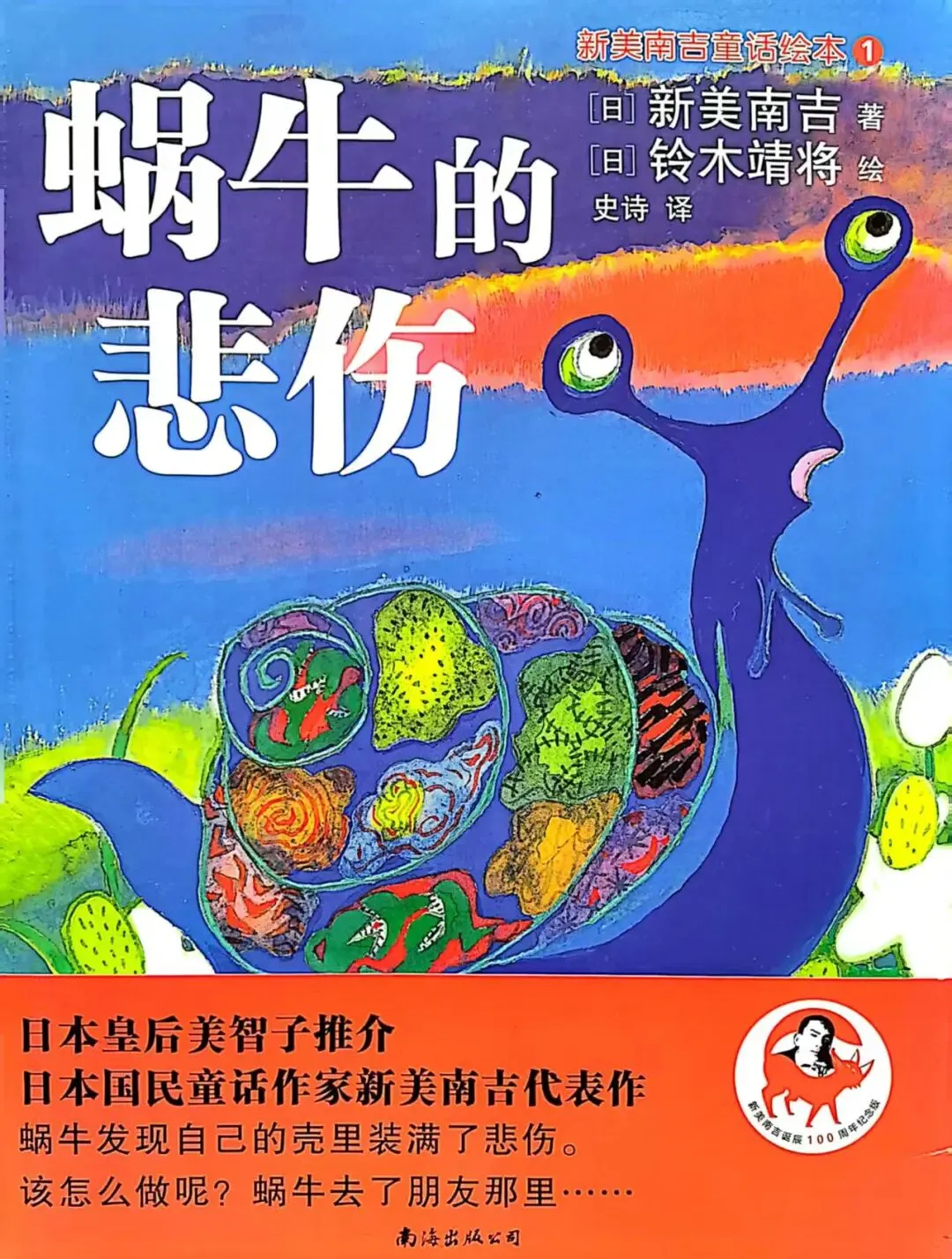
The Shell of Sorrow, the Song of Life: The Fairy-Tale Philosophy of Nankichi Niimi’s Picture Book 《The Snail’s Sorrow》
In the realm of fairy tales, most stories strive to build a rainbow bridge leading children toward happiness. Yet the great Japanese storyteller Nankichi Niimi held a firm belief that children must never be underestimated: he believed that even the youngest minds can grasp the most essential truths of life. His stories never shy away from sorrow, loneliness, or death, because he understood that these are not exclusive to adults but are shared human experiences. In the picture book 《The Snail’s Sorrow》, there is no miraculous magic to lighten life’s burdens, nor sudden good fortune to dispel inner gloom. Instead, through a tiny snail carrying a shell filled with sorrow, Niimi teaches us how to bear the weight of life.
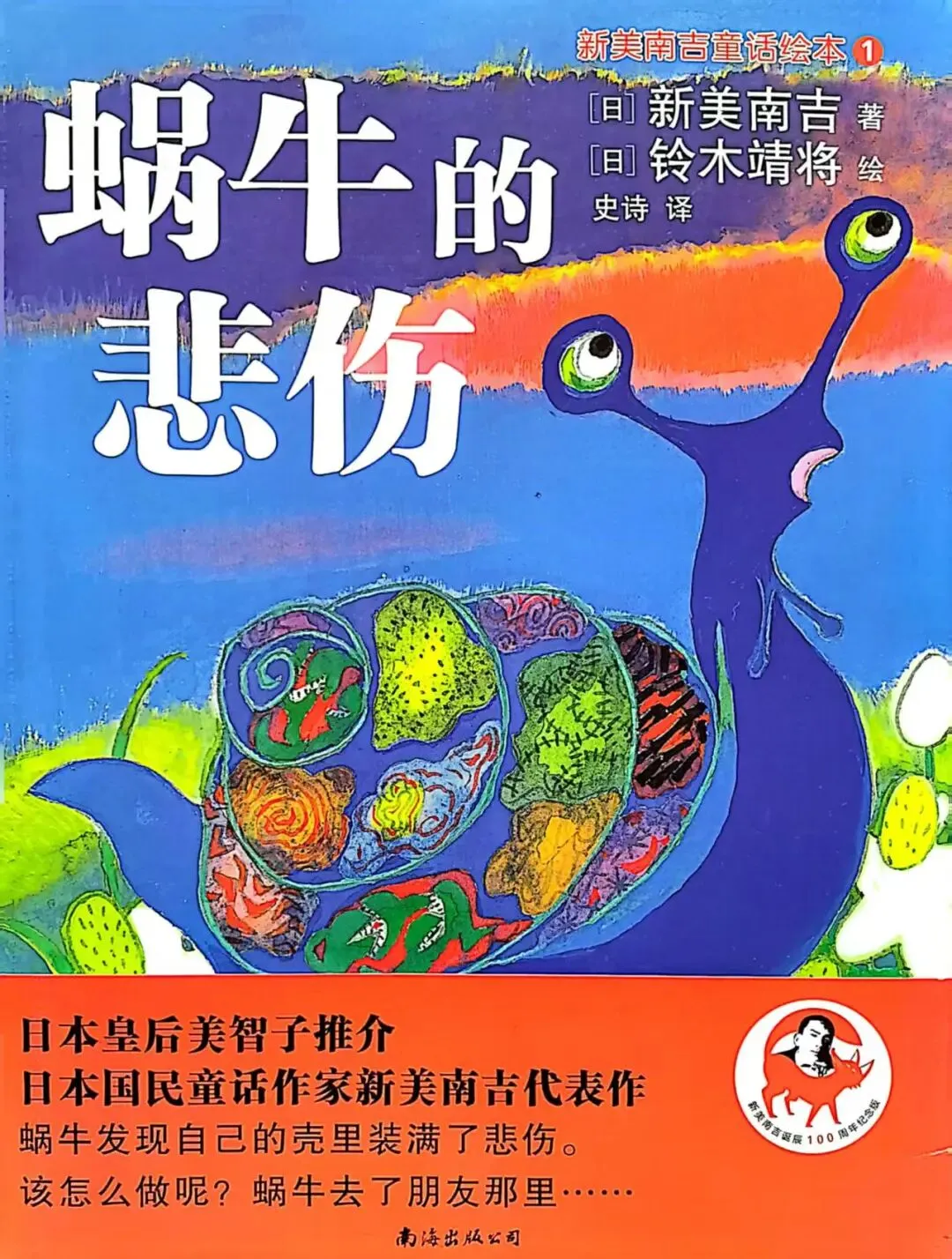
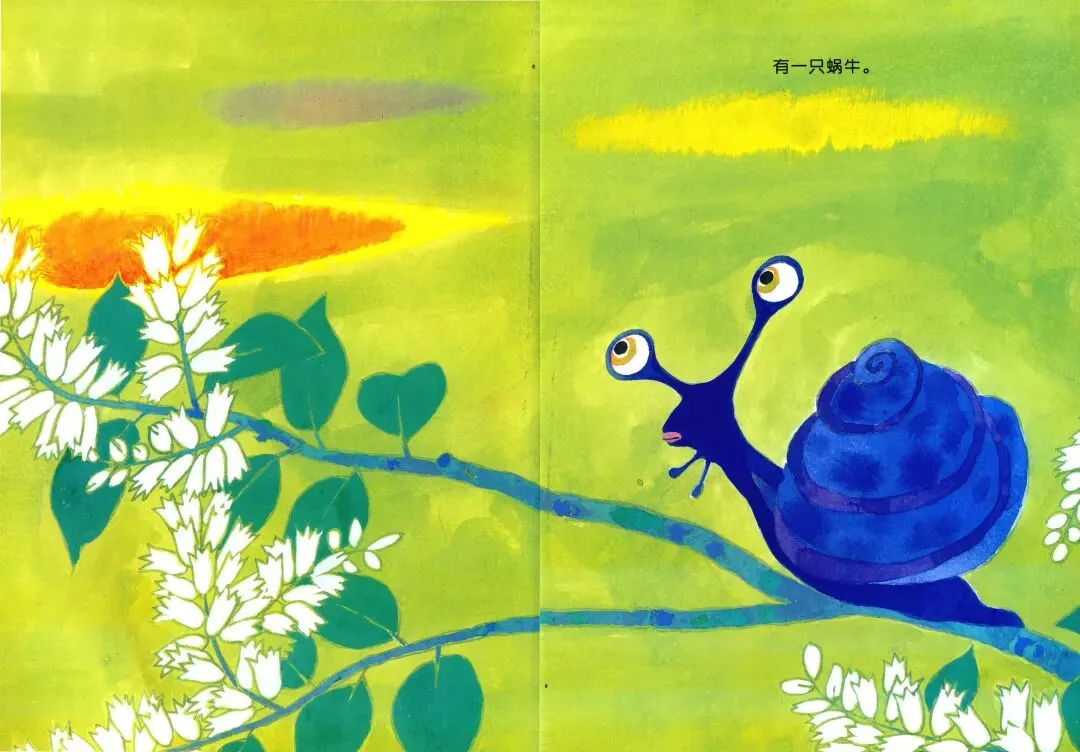
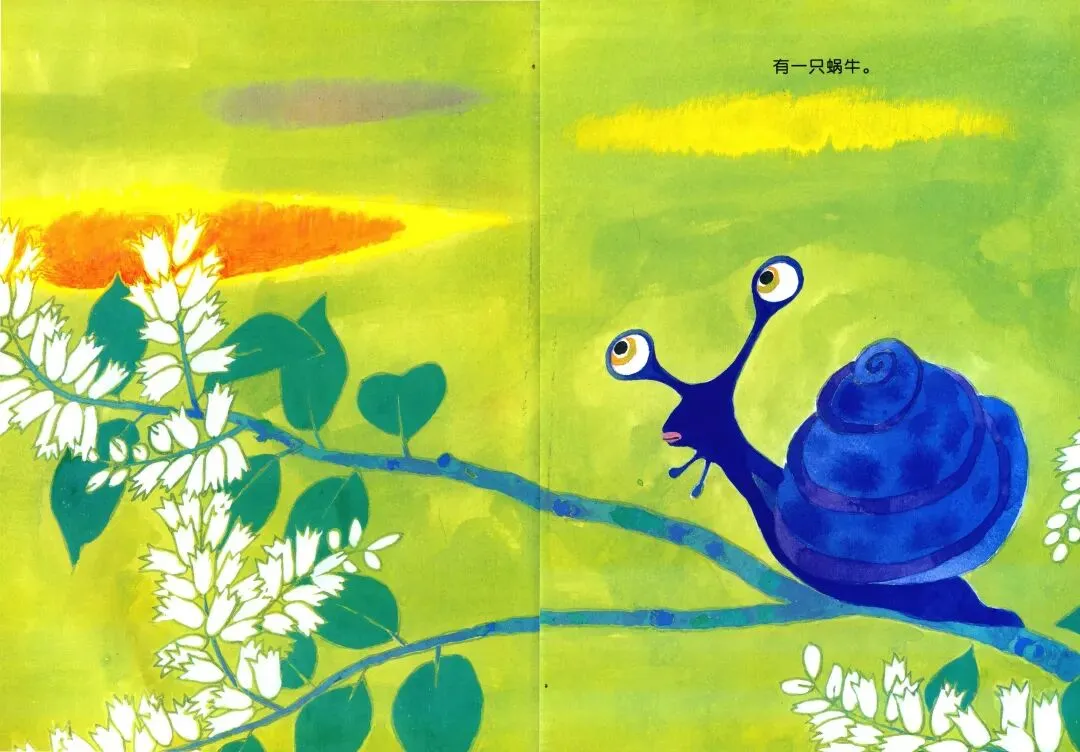
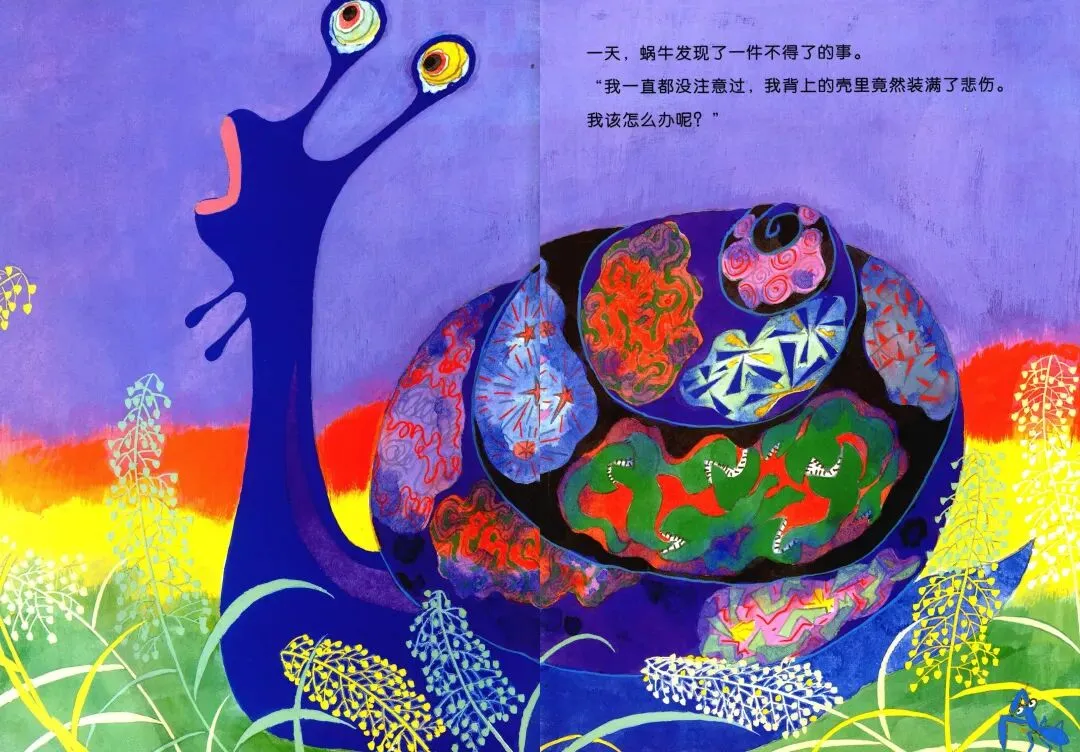
On a damp morning, dewdrops hang on blades of grass. A snail slowly crawls across the moist earth. Suddenly, it stops, struck by a thought—as if recalling something of great importance: its shell is filled with sorrow.
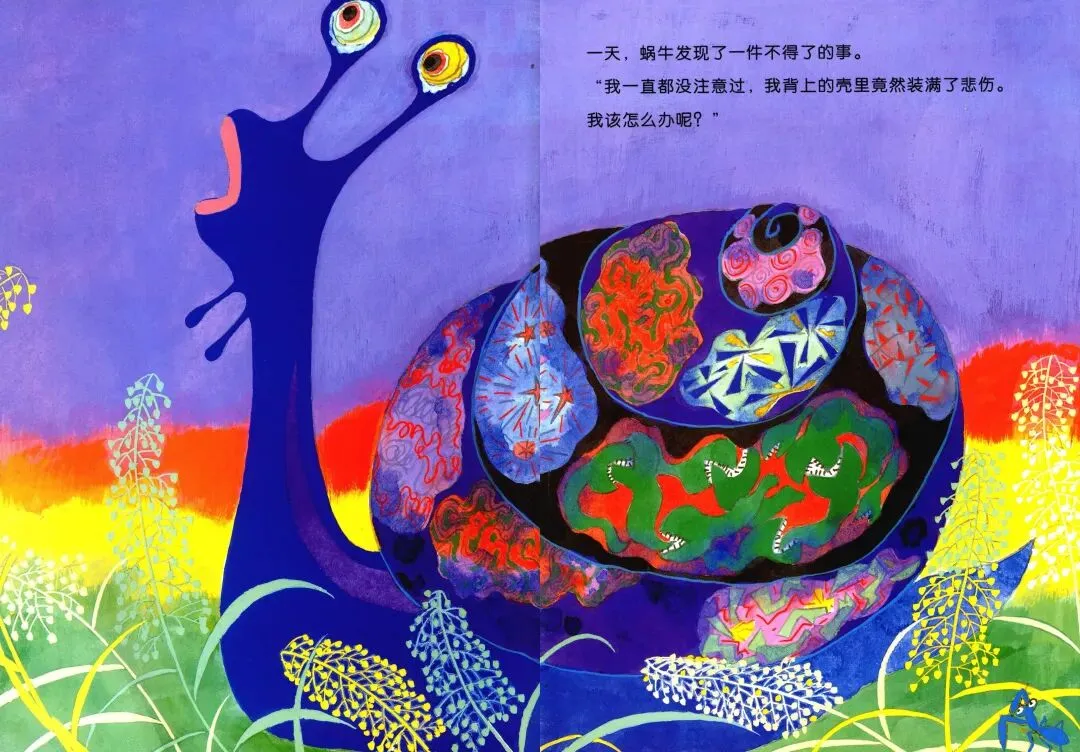
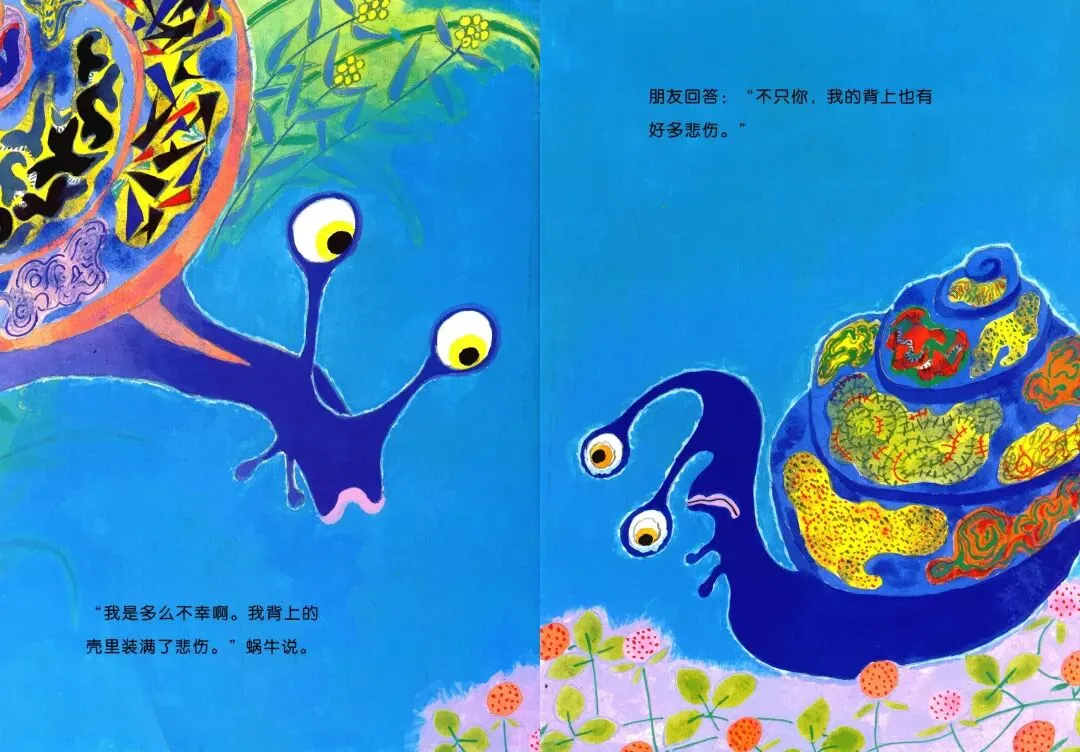
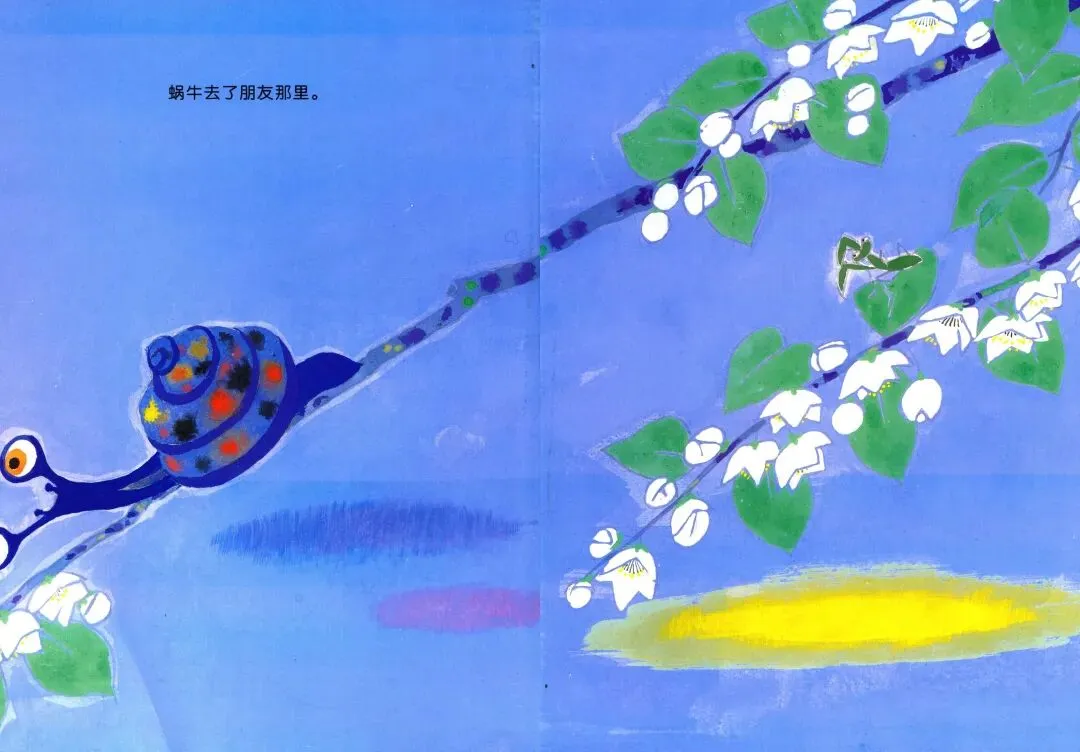
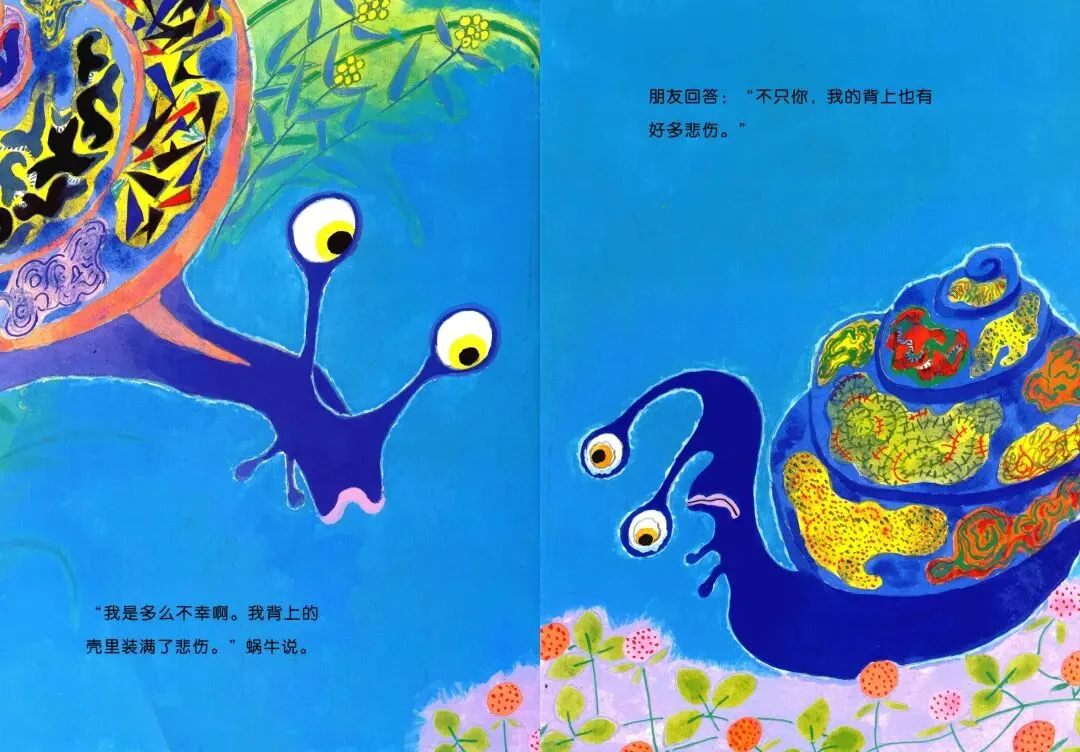
When it goes, confused, to find its first friend, sunlight filters through the leaves, casting dappled shadows. “I can’t go on living,” the snail says, its voice as faint as the morning mist. “My shell is filled with sorrow.” The friend falls silent for a moment, then slowly turns around, revealing a similar spiral on its back: “It’s not just you—my back is full of sorrow too.”
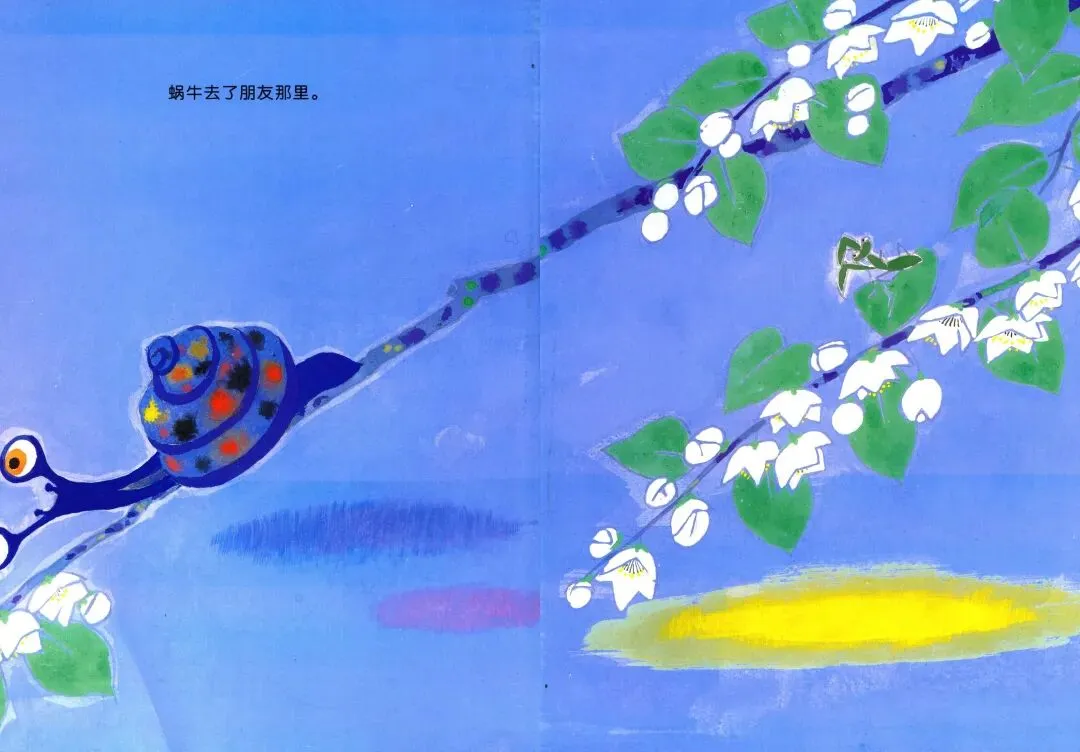
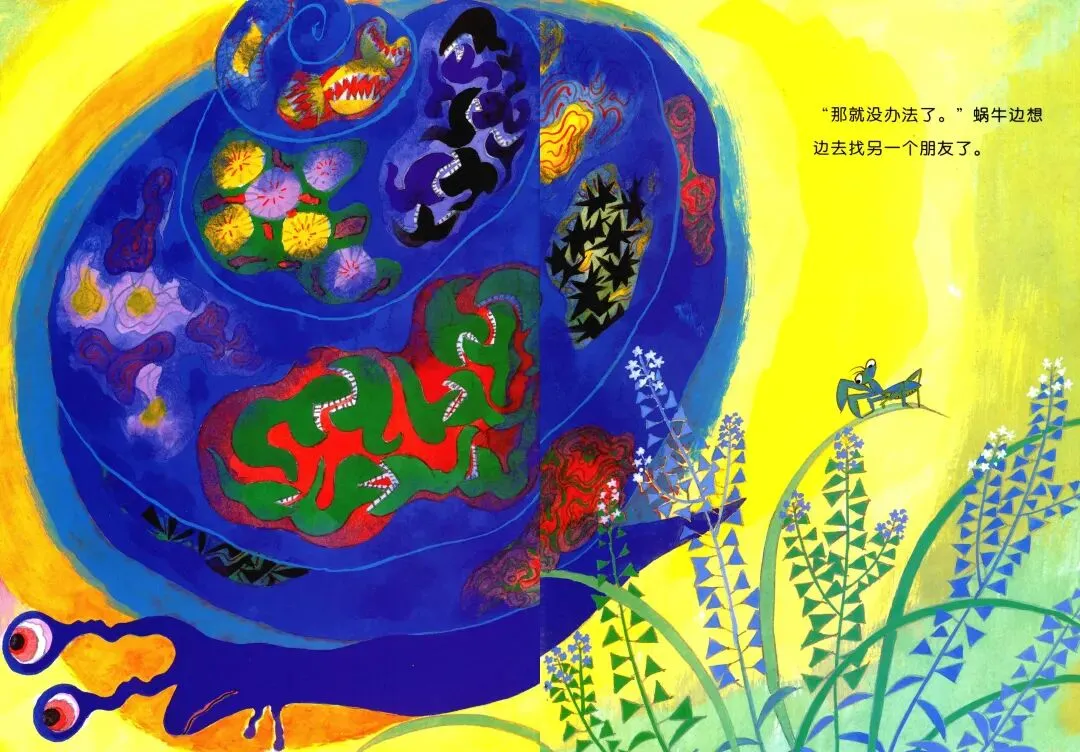
The snail is stunned. It slowly crawls away, its shell leaving a thin trail on the soil. It seeks out a second friend, a third… Every companion it asks, after a brief silence, gives almost the same answer.
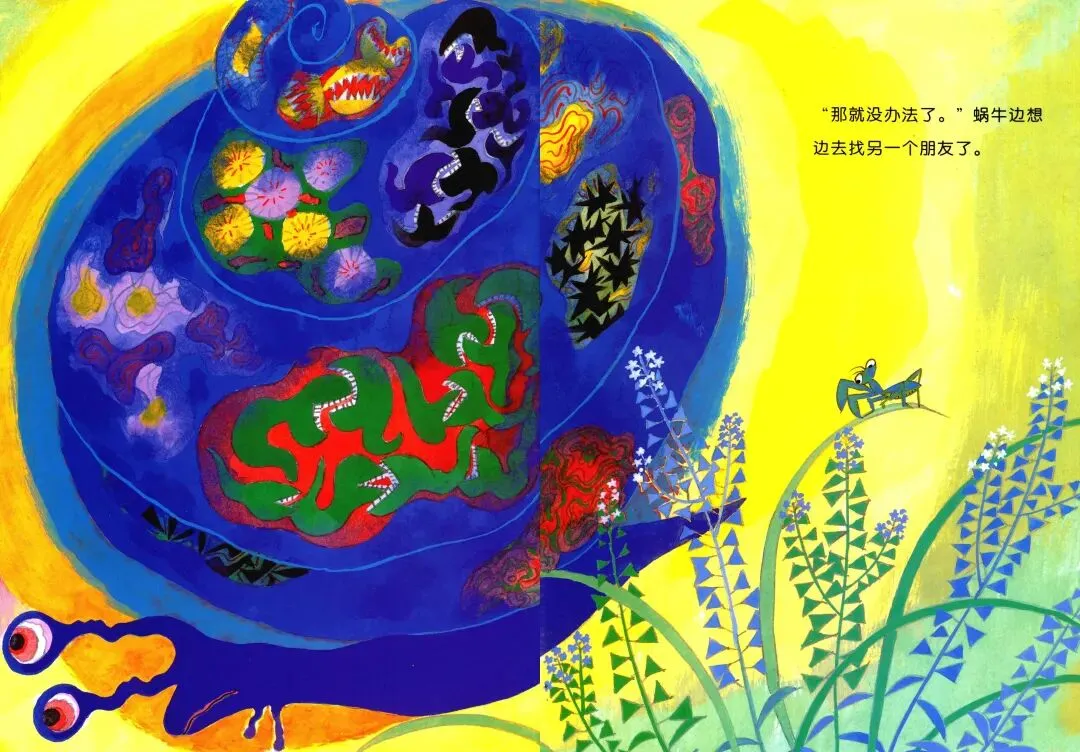
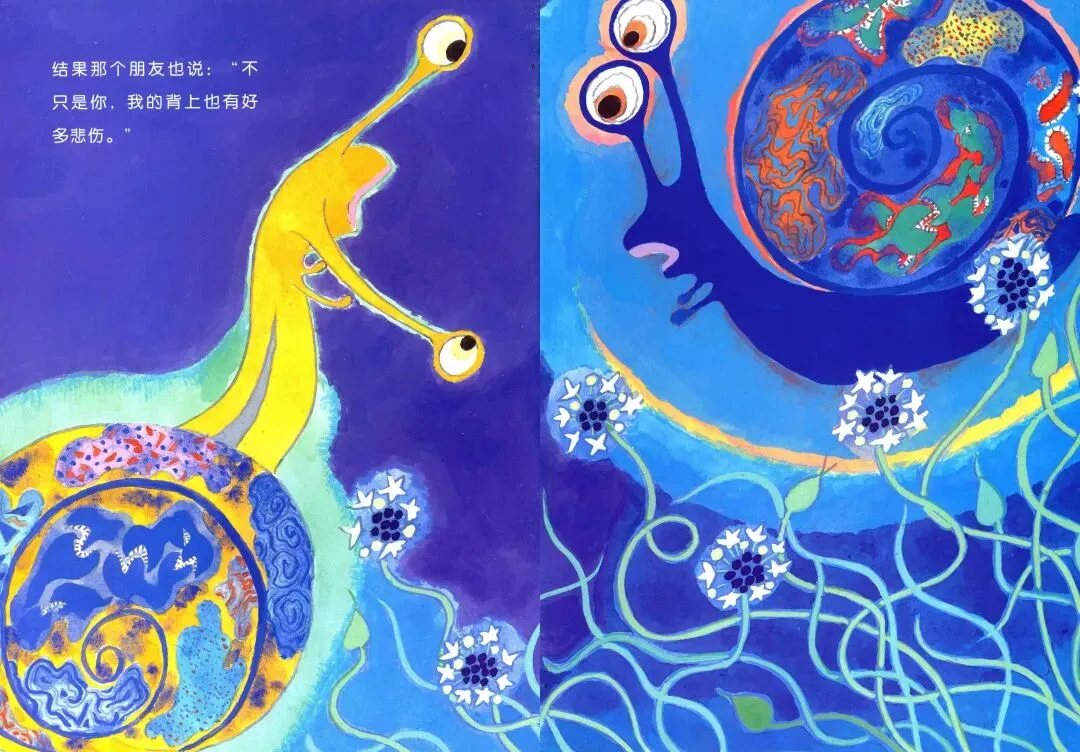
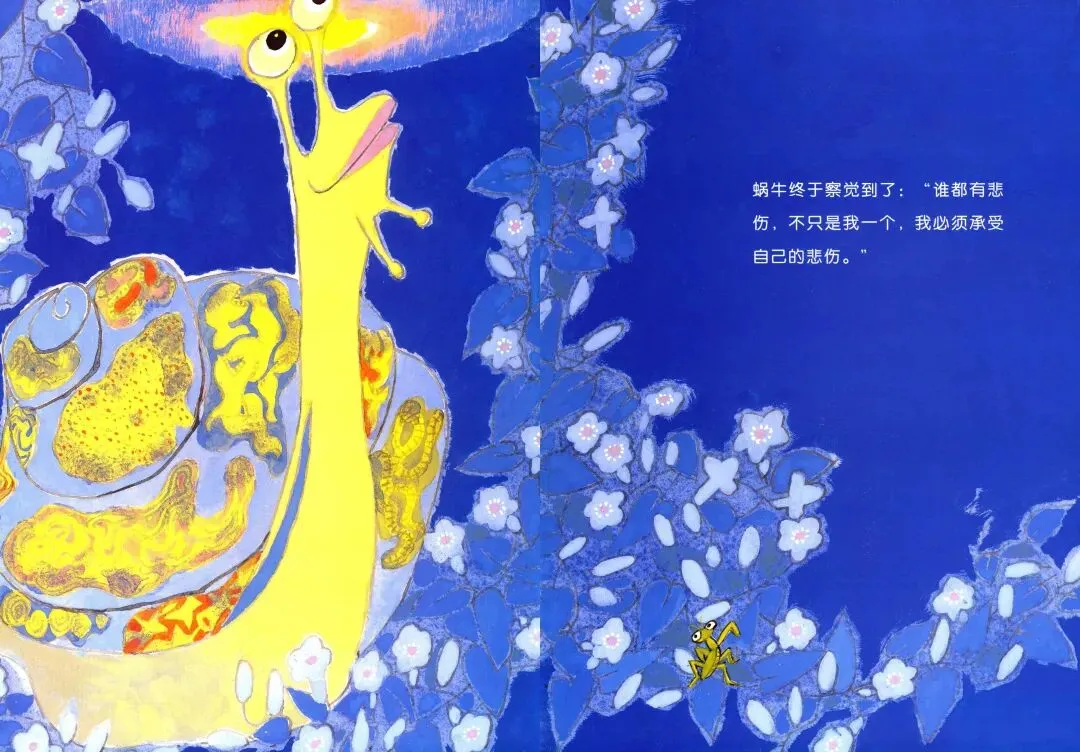
As the sun rises higher and the dew evaporates, the snail’s movement shifts from hurried to slow, until it becomes almost a rhythm of contemplation. Crawling on, it finally stops beneath a broad leaf. It no longer searches for another to ask. For the first time, it truly feels its own shell—the vessel filled with sorrow, yet also the home it can never set down. Amid the echo of “It’s not just you; my back is full of sorrow too,” the snail arrives at a moment of awakening: sorrow is the underlying tone of all life; every living being is connected through suffering.
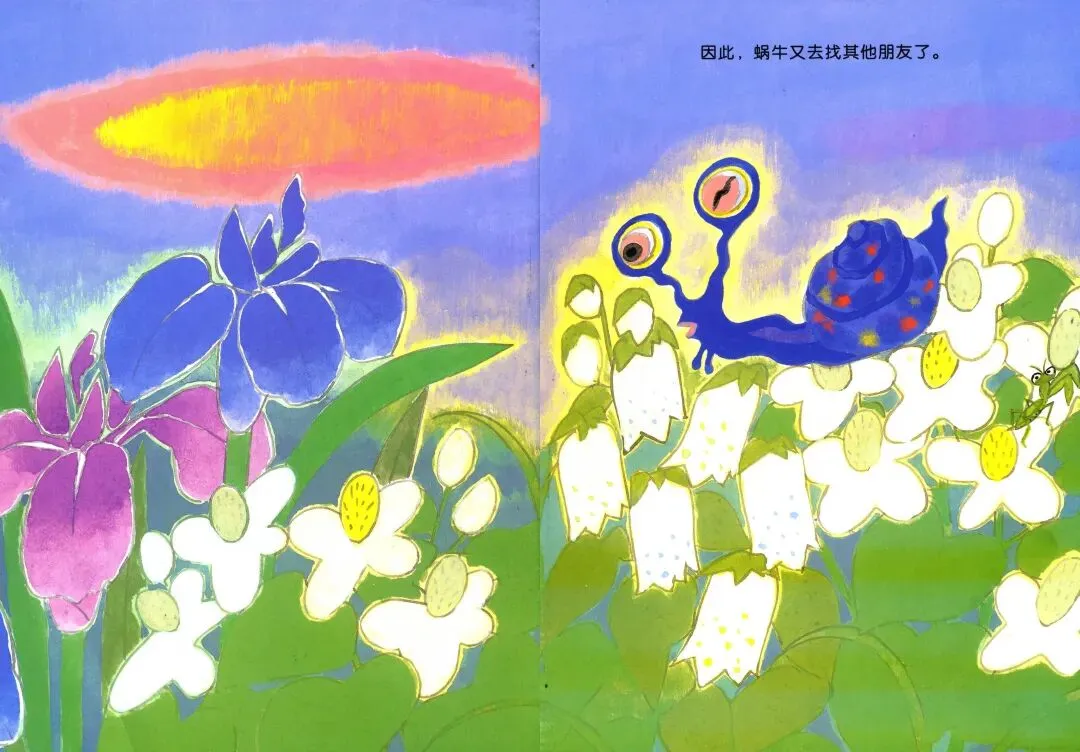
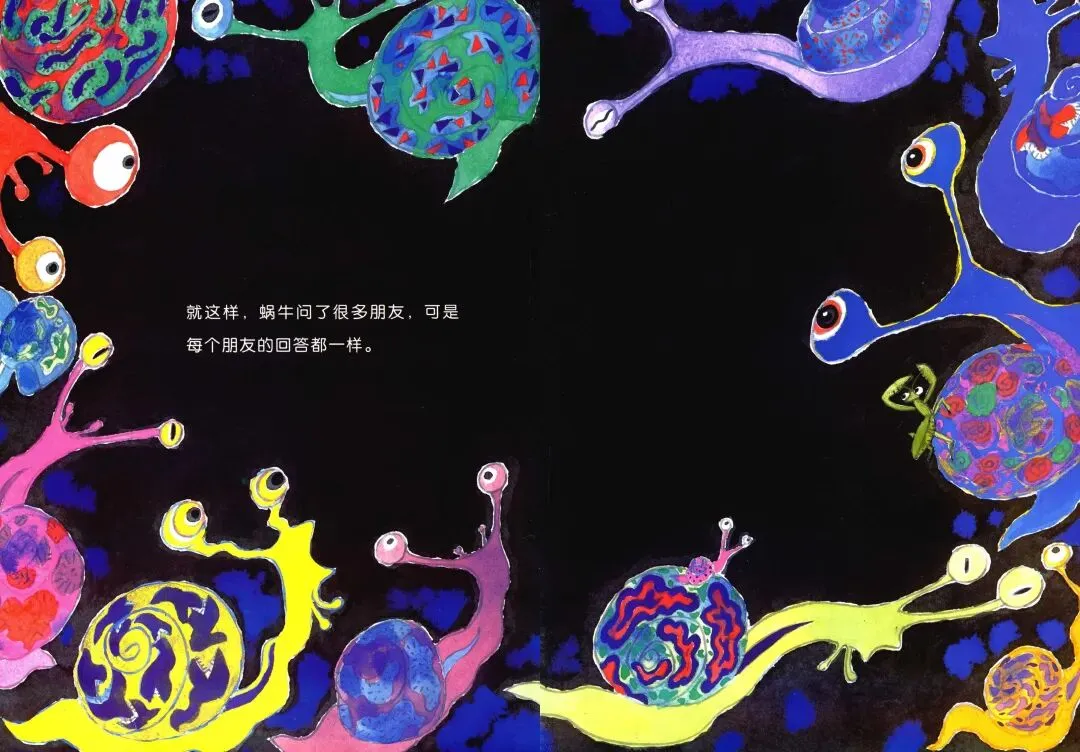
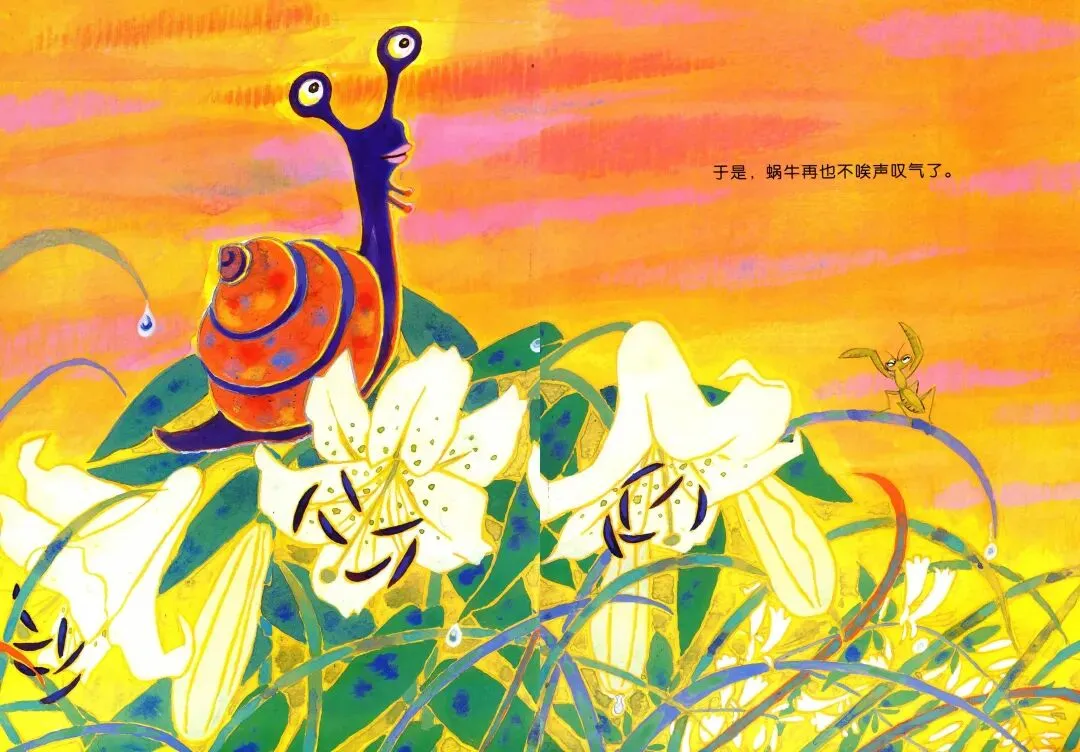
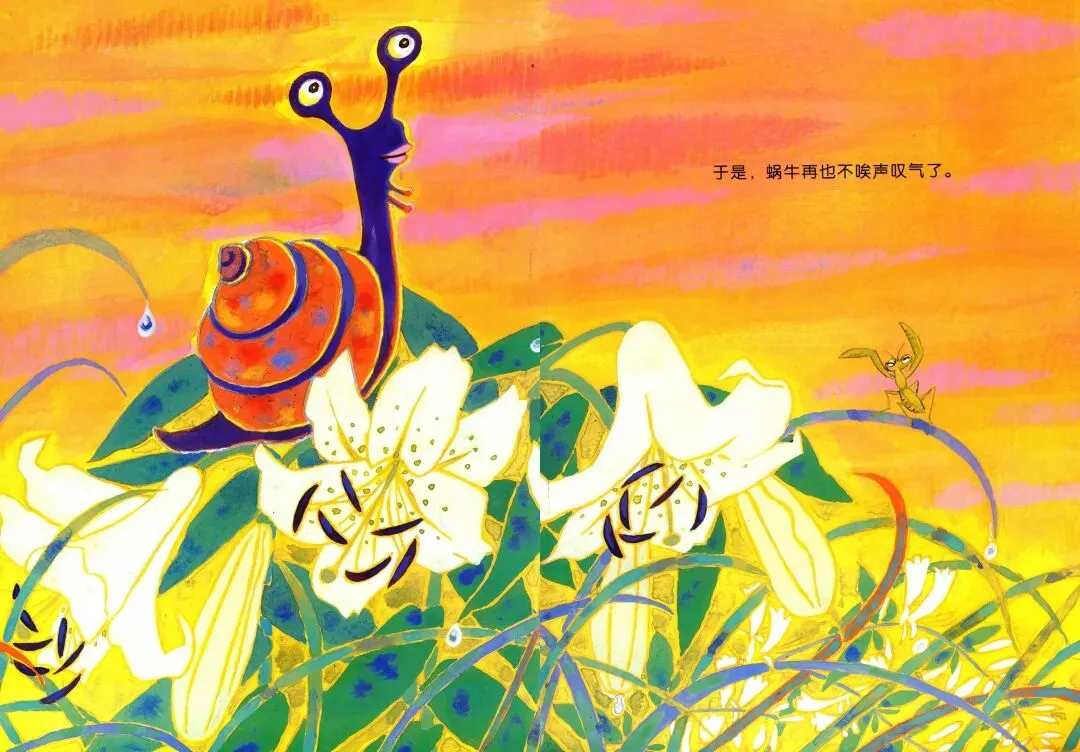
It is at this moment that the snail begins to understand the weight of the word “endure.” Sorrow is something all life must carry, and one must bear one’s own. To endure is to know that this weight will not disappear, and to learn to live with it—to keep moving forward while carrying it. At the end of the picture book, “the snail no longer sighs.” Not because sorrow has vanished, but because it has understood: some things are destined to remain, yet you can learn to live alongside them.
In a diary entry at the age of fifteen, Nankichi Niimi wrote: “A story cannot be without sadness; sadness becomes love.” This sentence is a key to understanding《The Snail’s Sorrow》. In the adult world, we often treat children as beings who must be protected within a “bubble of happiness.” We help them avoid pain, covering reality with sweets and laughter. But Niimi believed that children possess both the courage and wisdom to face the essence of life. They can understand complex emotions—if only we tell the story with enough sincerity and gentleness. 《The Snail’s Sorrow》is precisely such a tale, one that gently places the heavy theme of sorrow into a child’s hands.
When the snail realizes that “everyone has sorrow,” the shell that once pressed so heavily upon it is no longer merely a burden. It becomes armor protecting its soft body, and a fertile ground for empathy—because “I have been through it,” I can see you. Often, a person’s compassion for others grows from their own wounds. This is the most moving aspect of the book—it does not teach you how to eliminate sorrow, but allows you to see that sorrow itself has meaning. It makes people both stronger and softer, more willing to care for and understand others.
Empress Michiko of Japan once spoke movingly of 《The Snail’s Sorrow 》at an international conference on children’s literature, saying it left a deep impression on her childhood. Perhaps this is because, beyond the dignity and radiance of royalty, she too understood that universal, equal sorrow and resilience shared by all humanity. Niimi’s more than fifty fairy tales for children are all infused with this reverence for life. His belief in treating children as individuals with independent souls capable of understanding complex emotions gives his writing a profound depth beneath its simplicity, and a hidden light within its melancholy. This slender book has touched countless readers, including Empress Michiko, precisely because it reaches the softest, most universal emotions of humankind.
Each of us is that snail. One day, when we suddenly realize that the shell of life is not light, we panic, we ask others, we search in others’ stories for clues to our own fate. True growth, perhaps, happens at the moment when we stop asking—when we finally turn back, look at our own shell, and say: “All right, this is my shell. I will carry it. I will walk with it.”
On this slippery path called life, may we all, like that snail, carry a shell full of sorrow—yet move forward with gentleness and determination.
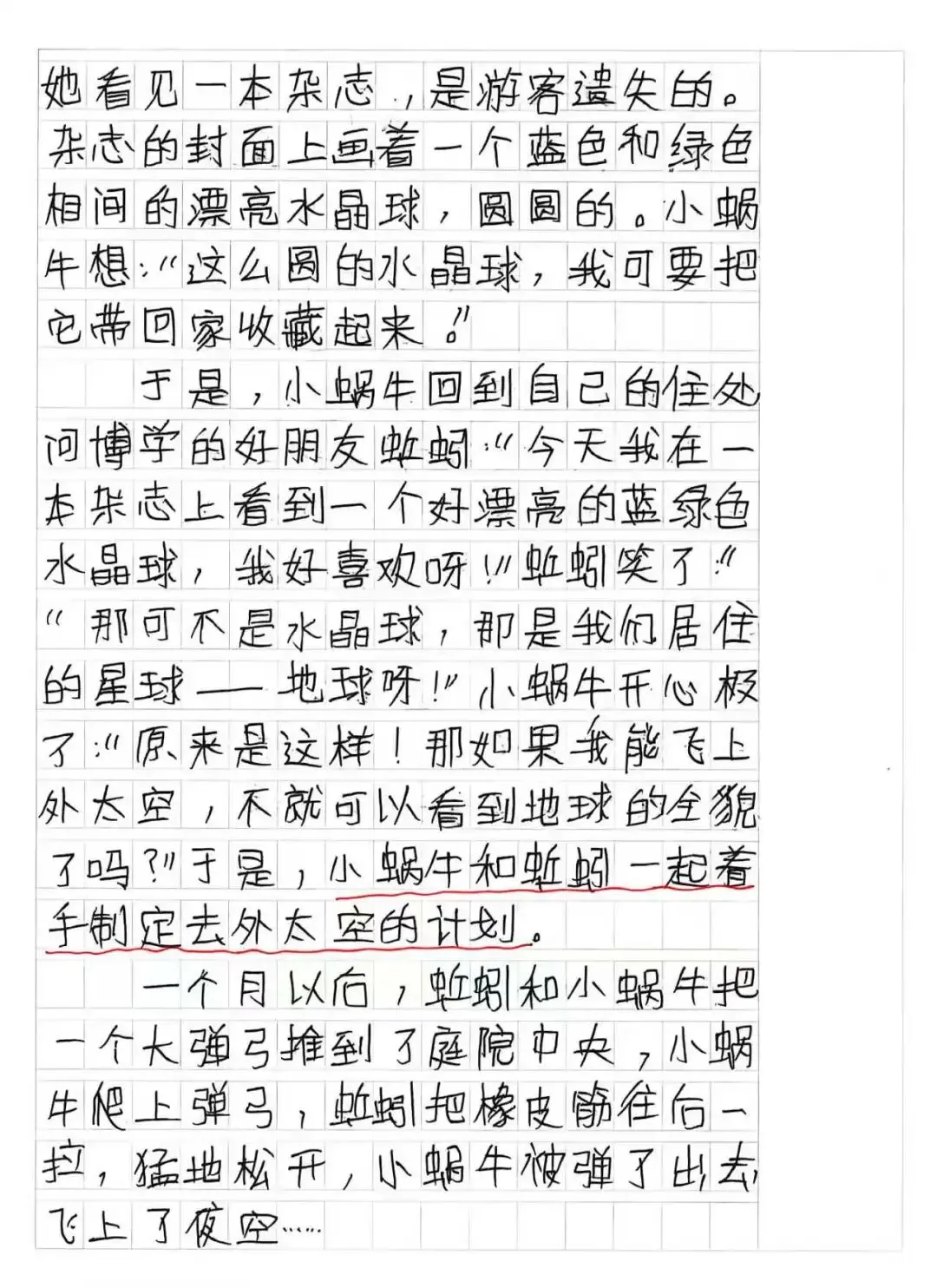
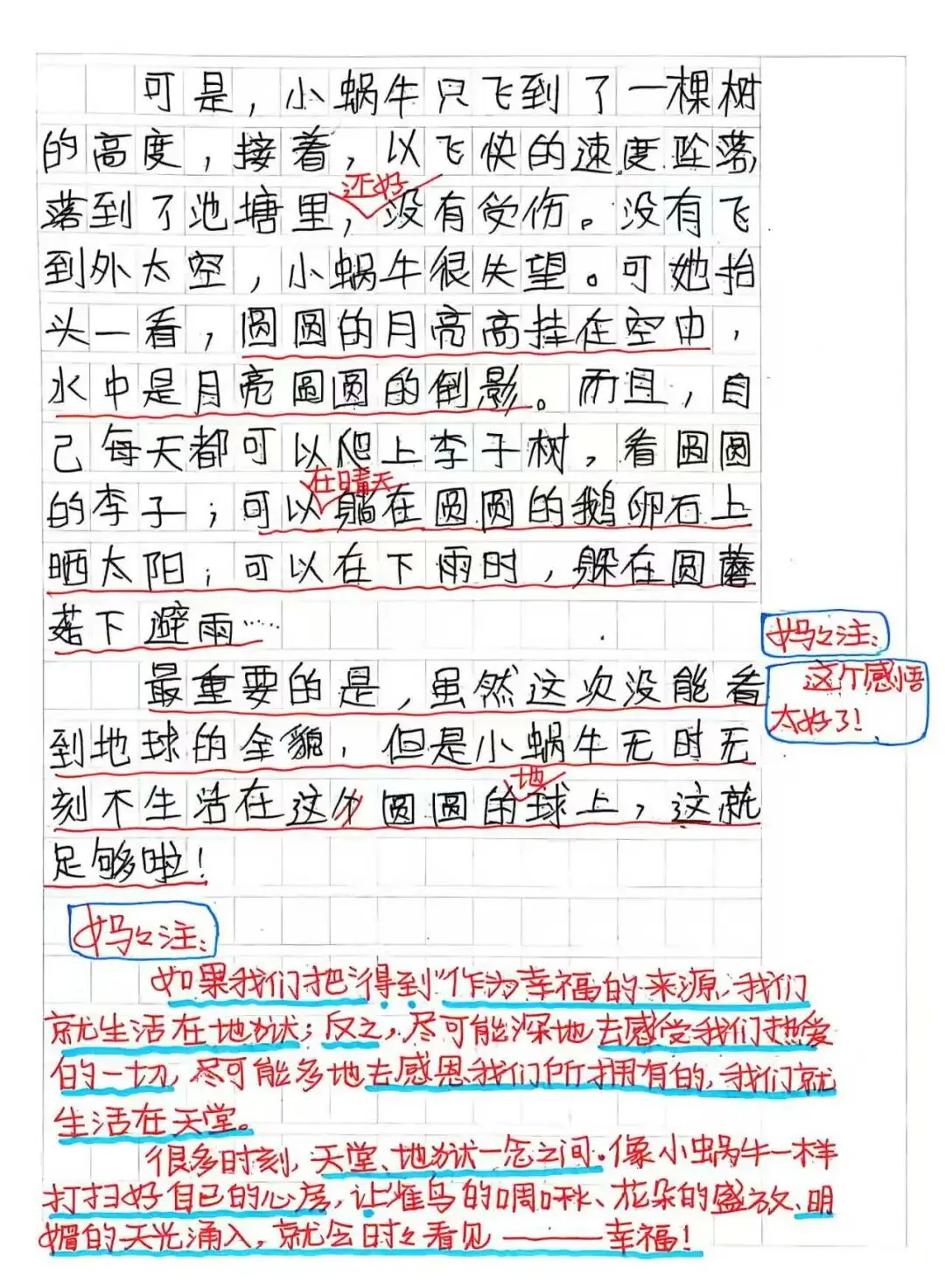
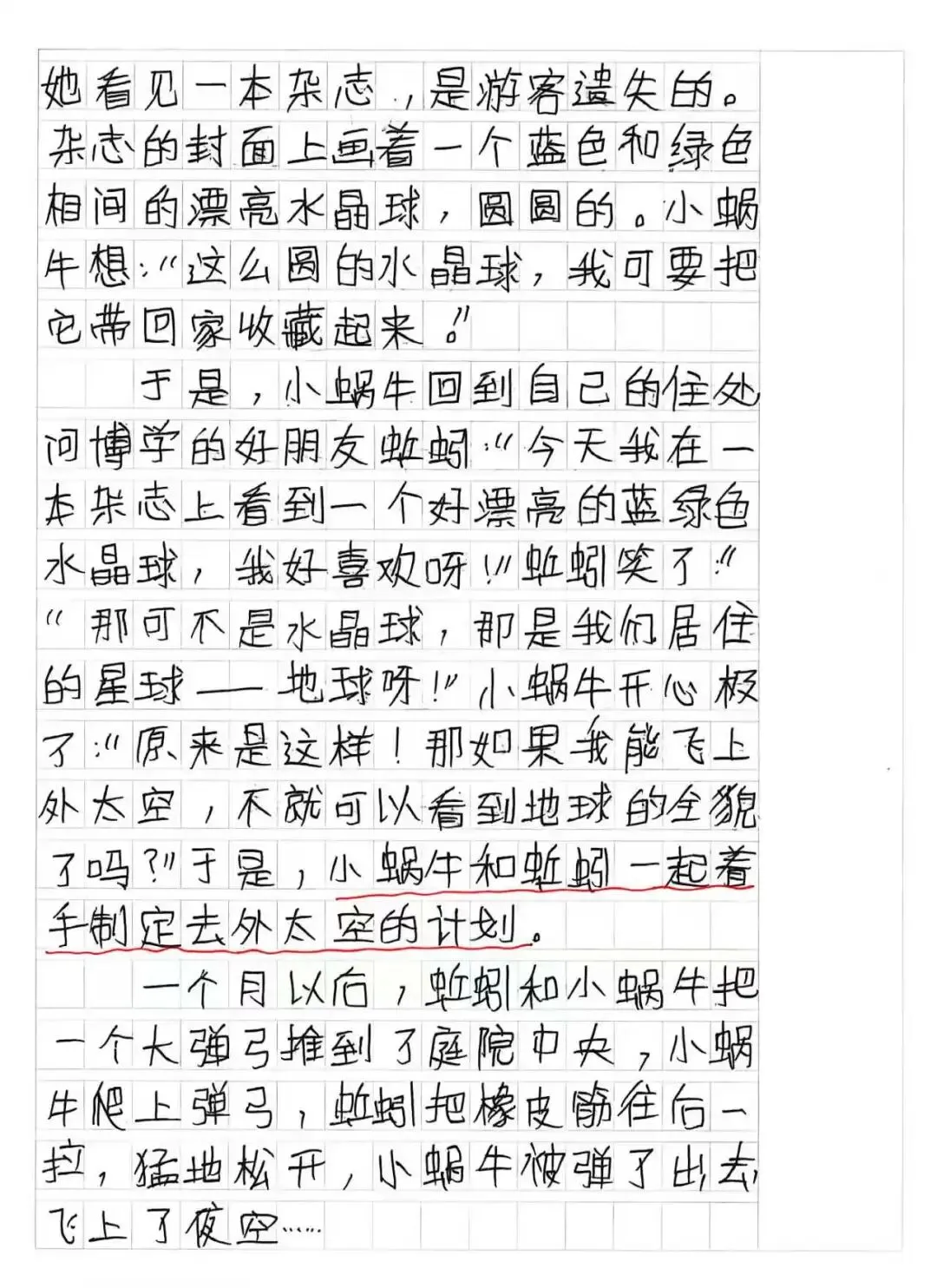
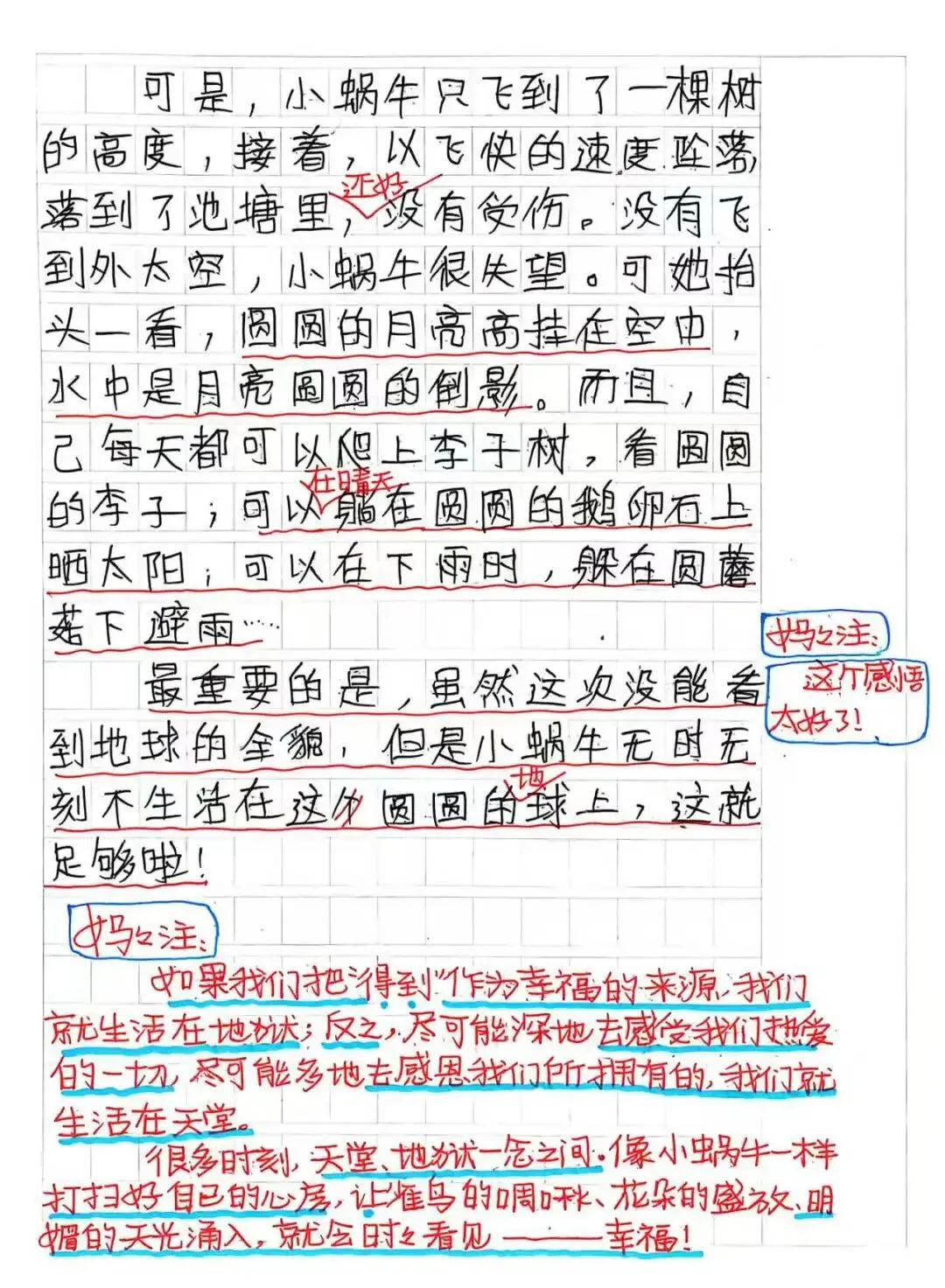
Appendix:《The Snail in Search of Happiness》,a summer family writing assignment from July 2022, when I graduated from elementary school.

悲伤的壳,生命的歌:新美南吉绘本《蜗牛的悲伤》里的童话哲学
在童话的国度里,大多数故事都致力于为孩子搭建一座通往快乐的彩虹桥,然而,日本童话巨匠新美南吉却对儿童有着“不能小瞧”的坚定信念:他相信即使是幼小的心灵,也能理解生命中最为本质的真相。新美南吉的童话从不回避悲伤、孤独和死亡,因为他深知这些并非成年人的专利而是人类共通的体验。在绘本《蜗牛的悲伤》中,没有奇迹般的魔法将生命的重担减轻、也没有突如其来的好运将心中的阴霾驱散,新美南吉用一只小小的、背负着悲伤之壳的蜗牛,教会了我们如何去承担生命的重量。
一个湿润的清晨,草叶上挂着露珠。一只缓缓爬过湿润泥土的蜗牛突然停了下来、内心被一个念头击中,好像想起了什么不得了的事情:原来自己背上的壳里,装满了悲伤。
它惶惑地去找第一个朋友时,阳光正透过树叶投下斑驳的阴影。“我活不下去了,”蜗牛说,声音轻得像要化在晨雾里,“我的壳里,装满了悲伤。”朋友沉默片刻,缓缓转身露出背上同样的螺旋:“不只你,我的背上也有好多悲伤。”
蜗牛怔住了。它慢慢爬开,壳在泥土上拖出细细的痕迹。它去找第二个朋友,第三个朋友……每一个被问及的同伴,都在短暂的沉默后,给出了几乎相同的回答。
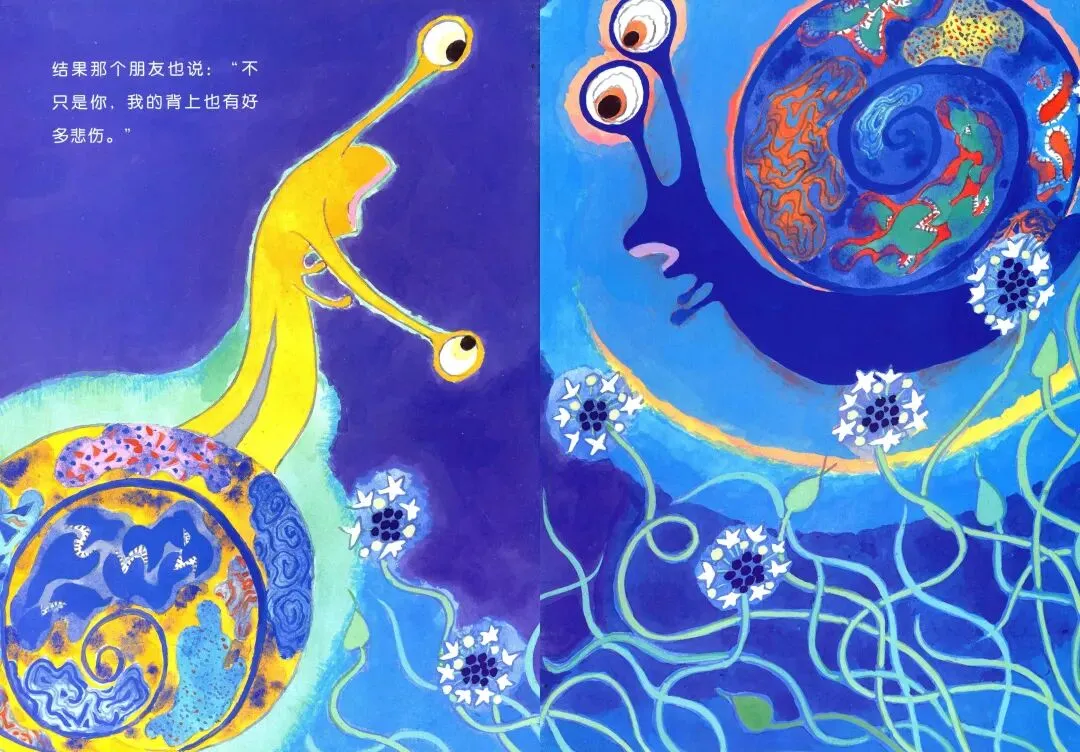
阳光渐渐升高,露珠蒸发,蜗牛的爬行从急促到缓慢,最后几乎成了一种沉思的节奏。爬着爬着,蜗牛在一片宽大的叶片下停下了脚步。它不再寻找下一个询问对象,而是第一次真正感受自己背上的壳——那个盛满悲伤的容器也是它永远无法卸下的家。在“不只是你,我的背上也有好多的悲伤”的回响中,这只蜗牛完成了一次生命的顿悟:原来,悲伤是所有生命的底色;原来,这世间每一个生命都是在痛苦中彼此相连。
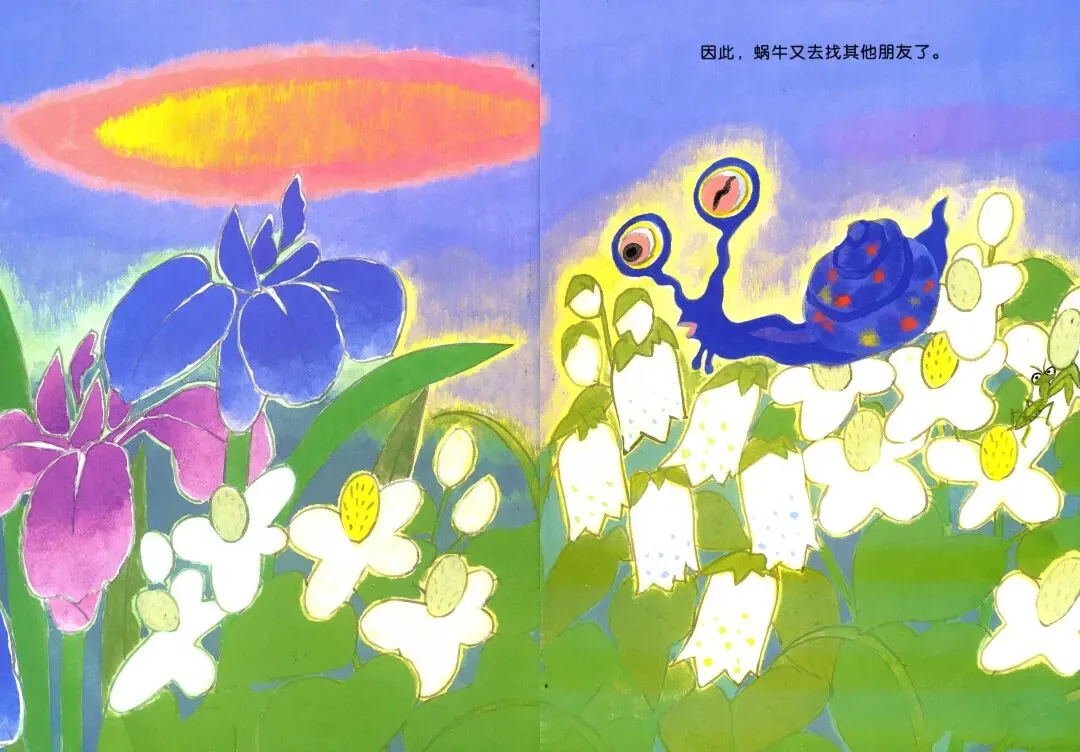
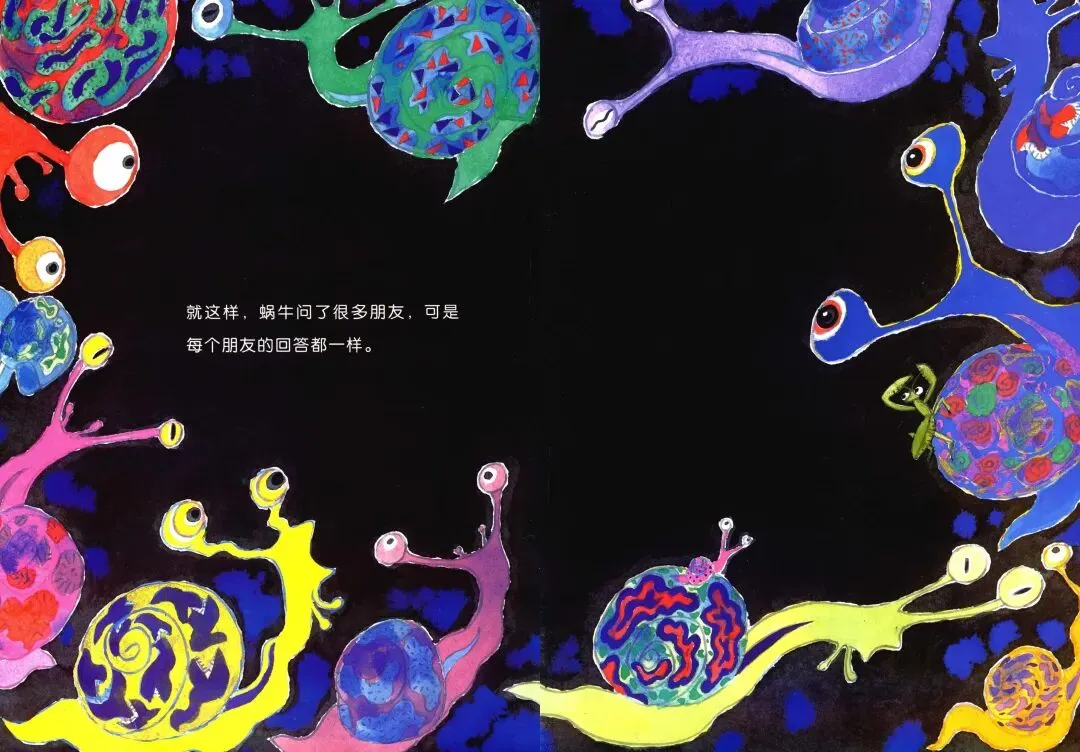
正是在这一刻,蜗牛开始理解“承受”这个词的重量:悲伤是所有生命都会背负的东西,自己必须承受自己的悲伤。承受,是知道这份重量不会消失,于是学会与它共存,学会带着它继续爬行。绘本最后,“蜗牛再也不唉声叹气了”——不是悲伤消失了,而是它明白了:有些东西注定不会消失,但你可以学会和它一起生活。
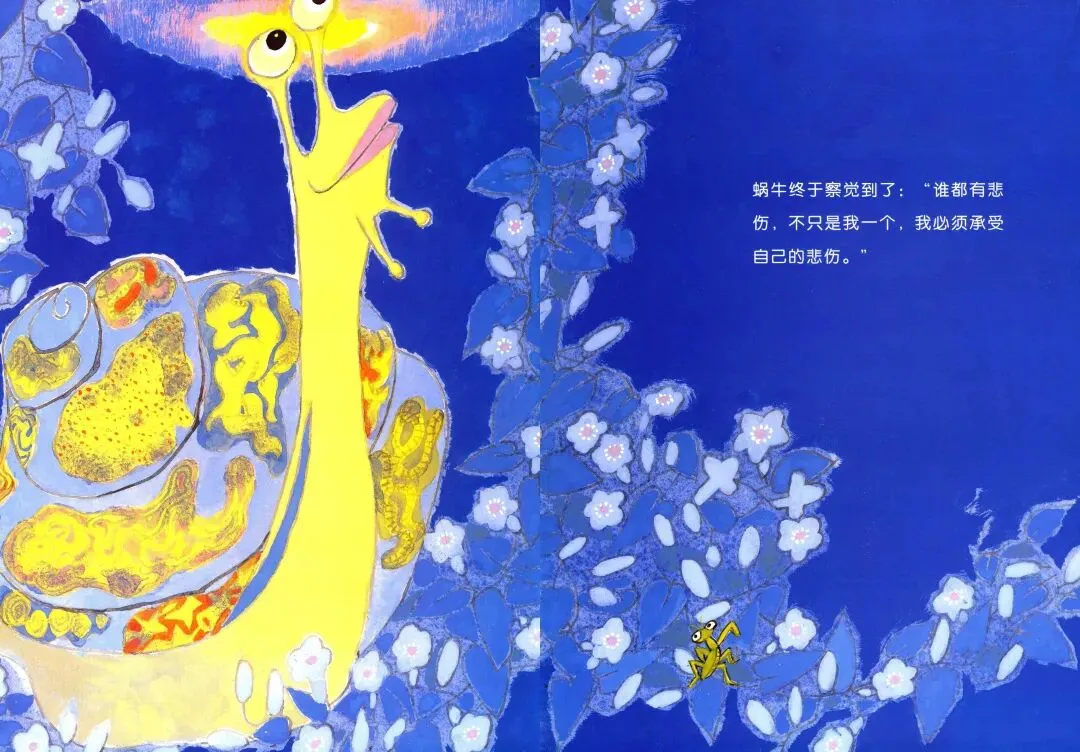
新美南吉曾在十五岁时的日记中写道:“故事中不能没有悲哀,悲哀会变成爱。”这句话是解读绘本《蜗牛的悲伤》的一把钥匙。在成人世界里,我们往往习惯于把孩子当作需要被保护在“快乐泡泡”里的存在;我们帮助孩子回避痛苦,用糖果和欢笑粉饰太平。但新美南吉坚信:孩子们拥有直面生命本质的勇气与智慧;孩子也能理解复杂的情感,只要你用足够真诚、足够温柔的方式去讲述。绘本《蜗牛的悲伤》就是一个选择将“悲伤”这一沉重的命题,轻轻放在孩子掌心的童话故事。
当蜗牛意识到“谁都有悲伤”时,那份原本压得它喘不过气来的装满悲伤的壳,从此不再仅仅是生命的重负,它也是保护柔软躯体的铠甲,更会成为孕育同理心的温床——因为“我也经历过”,所以我能看见你。很多时候,人对他人的体谅,正是从自己的伤口里长出来的。这也是这本书最动人的地方——它没有教你如何消除悲伤,而是让你看见悲伤本身的意义:悲伤让人变得更坚强也更柔软,更愿意关怀与体恤他人。
日本美智子皇后曾在国际儿童图书评议会上深情提及《蜗牛的悲伤》一书,称其为童年的她留下了深刻印象。这或许正是因为在皇室的尊贵与光环背后,她同样读懂了那份属于全人类的、平等的悲伤与坚韧。新美南吉的五十多篇幼儿童话,篇篇都浸润着这种对生命的敬畏。将孩子视为拥有独立灵魂、能够理解复杂情感的“人”这种信念,让新美南吉的文字在简约中透着深邃、在哀愁中藏着光亮。这本薄薄的小书之所以能打动包括日本美智子皇后在内的无数读者,正是因为它触碰到了人类最柔软的共同情感。
我们每个人都是那只蜗牛。在某一天,突然意识到生命的壳并非轻盈时,我们惊慌地询问他人、我们在别人的故事里寻找自己命运的线索。而真正的成长,或许就发生在那个不再询问的时刻——我们终于转头,凝视自己的壳,说:好吧,这是我的壳。我来背负它,我带着它走。
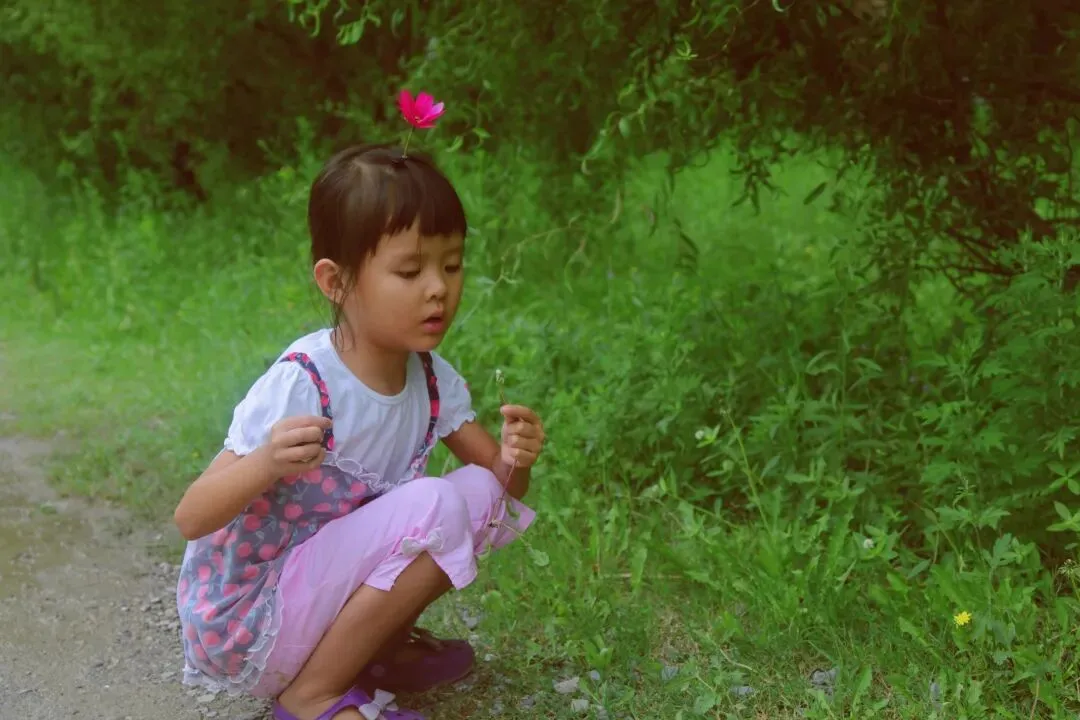
在这条名为人生的湿滑小径上,愿我们都能像这只蜗牛一样,背着一壳的悲伤,却温柔而坚定地继续前行。
附: 2022年7月,我小学毕业时的暑假家庭习作《追寻幸福的蜗牛》。