河间歌诗:千年古韵里的文化血脉
Hejian Geshi: The Cultural Legacy in Ancient Melodies
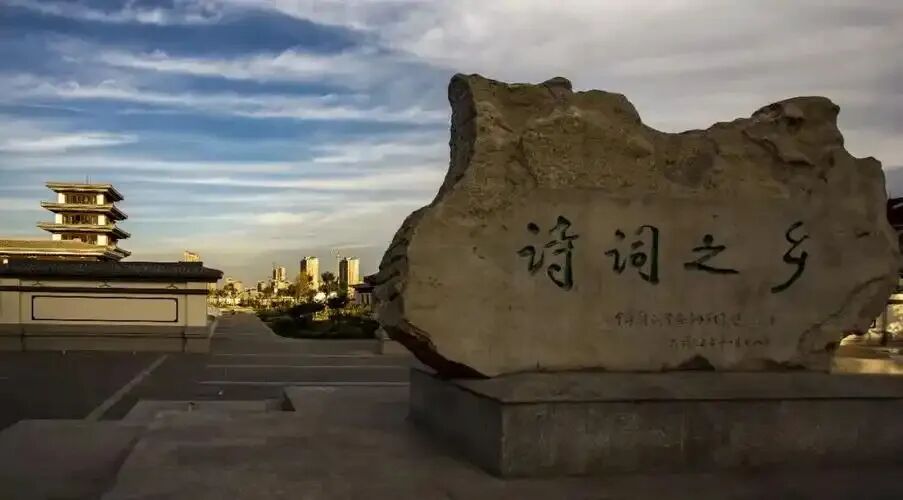
在华北平原腹地,河北省河间市这片古老土地上,流淌着一条无形却深沉的文化血脉——河间歌诗。它不是简单的民歌小调,而是一种承载千年《诗经》文脉、融合方言吟唱与民间情感的独特艺术形式,是中华优秀传统文化在民间生生不息的鲜活见证。
In the hinterland of the North China Plain, Hejian City, Hebei Province, an ancient land, flows an invisible but profound cultural vein - Hejian Songs. It is not a simple folk song tune, but a unique art form that carries the cultural context of the Book of Songs for thousands of years, integrates dialect singing and folk emotions, and is a vivid witness to the continuous vitality of Chinese excellent traditional culture in the folk.
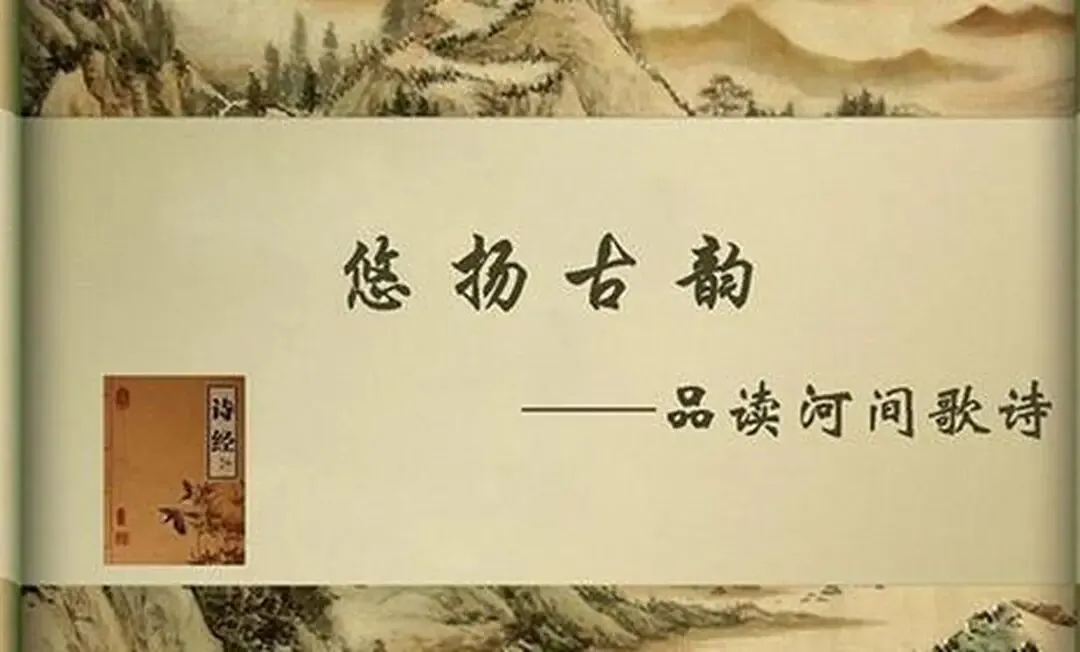
🌿 一、源远流长:从《毛诗》到民间歌咏
🌿 1、 Long history: from "Mao Shi" to folk singing
河间歌诗的根,深植于中国最早的诗歌总集《诗经》。秦代焚书坑儒之际,大儒毛亨携《诗经》孤本隐居河间,在此整理注释《诗经诂训传》,与其侄毛苌共同开创“毛诗”一脉。汉代河间王刘德重儒兴学,延请毛氏为博士,使《诗经》得以系统传授,而其吟唱之风亦随之在民间生根发芽。
请在微信客户端打开
The roots of Hejian Song poetry are deeply rooted in the earliest collection of Chinese poetry, the Book of Songs. During the Qin Dynasty, when books were burned and Confucian scholars were buried, the great scholar Mao Heng took a solitary copy of the Book of Songs and secluded himself in Hejian. Here, he compiled and annotated the Commentary on the Book of Songs, and together with his nephew Mao Chang, they created the "Mao Poetry" lineage. During the Han Dynasty, Liu De, the King of Hejian, emphasized Confucianism and promoted learning. He invited Mao Shi to become a Ph.D., which enabled the systematic transmission of the Book of Songs, and his singing style also took root and sprouted among the people.
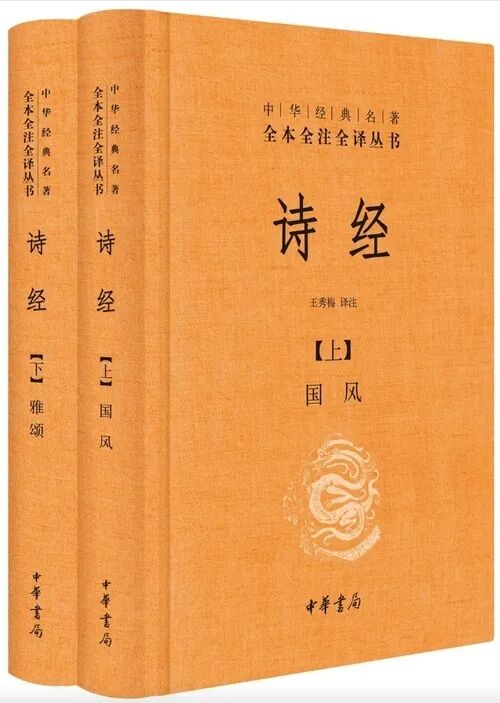
历经千年传承,“河间歌诗”逐渐形成以河间方言为载体、先秦古韵为基调的吟唱体系,成为《毛诗》在民间活态传承的重要方式。
After thousands of years of inheritance, the "Hejian Song Poetry" gradually formed a singing system based on the Hejian dialect and the ancient rhyme of the pre Qin period, becoming an important way for the lively inheritance of "Mao Shi" among the people.
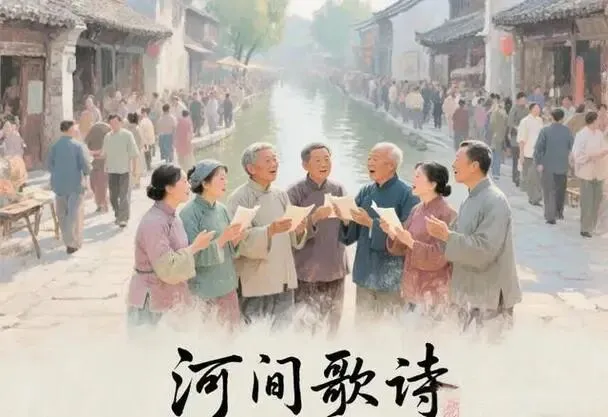
🎶 二、艺术特质:古腔古韵,乡音传情
🎶 2、 Artistic characteristics: Ancient tunes and rhymes, conveying emotions through local accents
河间歌诗的独特之处,在于它将书面经典转化为可听可感的声音艺术:
The uniqueness of Hejian Song poetry lies in its ability to transform written classics into audible and perceptible sound art:
用河间方言吟唱,保留了中古音韵的抑扬顿挫;
配以古腔古调,声调沧桑悠长,如西河大鼓般富有节奏张力;
内容涵盖《诗经》三百篇,亦可延伸至唐诗宋词乃至现代诗词;
表演形式自由灵活,或独吟,或对唱,或群体合咏,常融入婚丧嫁娶、节庆民俗之中,真正实现“诗入生活”。
Singing in Hejian dialect, preserving the rhythm and intonation of ancient Chinese phonetics;
Paired with ancient tunes and melodies, the tone is rich in rhythm and tension, like the West River drum;
The content covers 300 chapters of the Book of Songs, and can also be extended to Tang poetry, Song lyrics, and even modern poetry;
The form of performance is free and flexible, with individual singing, duet singing, or group singing, often integrated into weddings, funerals, festivals, and folk customs, truly realizing the integration of "poetry into life".
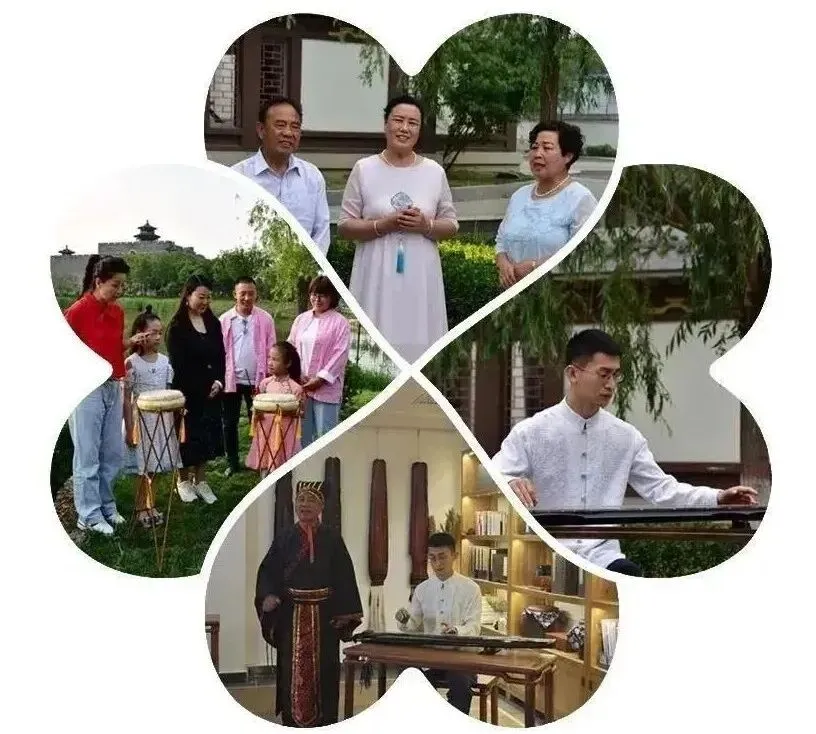
那一声声“关关雎鸠”,穿越两千余年,在河间的田间地头、村舍院落中回响,仿佛时光倒流,让人听见先民的呼吸与心跳。
The sound of "Guan Guan Ju Jiu" echoes through the fields, villages, and courtyards of the river for more than two thousand years, as if time has flowed back, allowing people to hear the breathing and heartbeat of our ancestors.
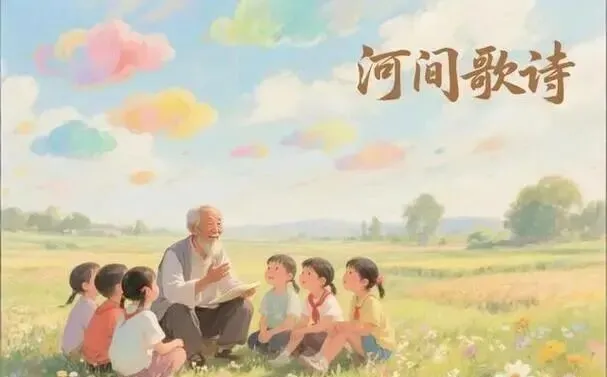
🧍♂️ 三、传承之光:平凡人书写的不凡史诗
🧍♂️ 3、 The Light of Inheritance: Extraordinary Epics Written by Ordinary People
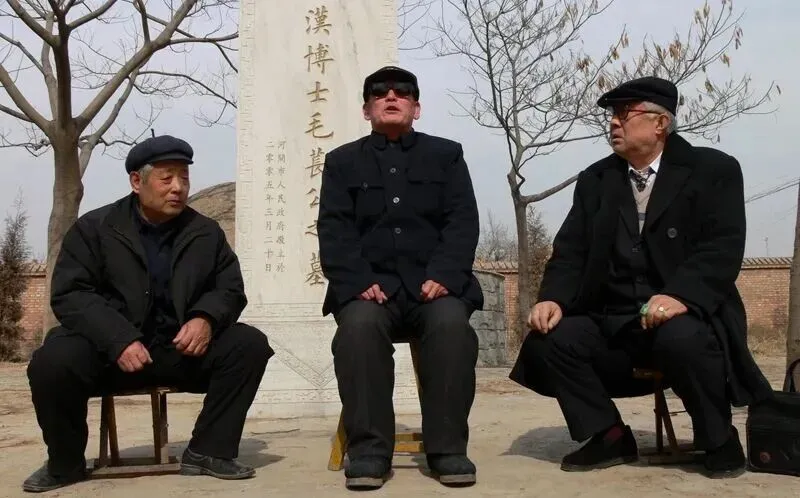
裘孝信,国家级非遗传承人,虽失聪失明,仍坚持授课,用生命守护古调;
王寿增,一位古稀老人,十余年如一日,骑车奔走乡野,做裘老的“眼睛和拐杖”,更自发编写教材、规范曲谱、创新教学;
他们携手在行别营小学开办暑期班,录制音频、建立微信群,疫情期间坚持“云教学”,让《关雎》《蒹葭》《沁园春·雪》等经典在“红歌群”中再度传唱;
如今,河间歌诗已有410余名传承人,年轻一代教师如张志忠,也正用影像记录这场文化接力。
Qiu Xiaoxin, a national inheritor of intangible cultural heritage, despite being deaf and blind, persists in teaching and uses his life to protect ancient tunes;
Wang Shouzeng, an elderly man from ancient times, has been cycling around the countryside for over ten years, serving as the "eyes and crutches" of Qiu Lao. He has also spontaneously compiled textbooks, standardized music scores, and innovated teaching methods;
They joined hands with Xingbieying Primary School to hold summer classes, recorded audio, and established WeChat groups. During the epidemic, they adhered to "cloud teaching" and allowed classics such as "Guan Ju", "Jia Jia", and "Qinyuan Spring · Snow" to be sung again in the "Red Song Group";
Nowadays, there are more than 410 inheritors of Hejian Song and Poetry, and the younger generation of teachers such as Zhang Zhizhong are also using images to record this cultural relay.
河间歌诗不只是“遗产”,更应是流动的文化生命。它讲述的不仅是《诗经》的故事,更是中国人对诗意生活的永恒追求。
River songs and poems are not just "heritage", but also a flowing cultural life. It not only tells the story of the Book of Songs, but also the eternal pursuit of poetic life by Chinese people.
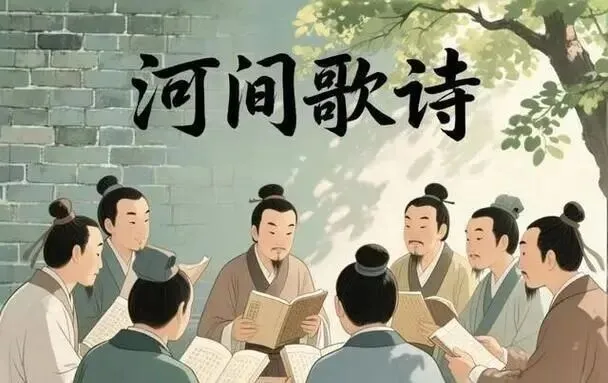
当春风吹过麦田,老农吟起“春风吹绿麦田边”,那是土地与诗歌的对话;
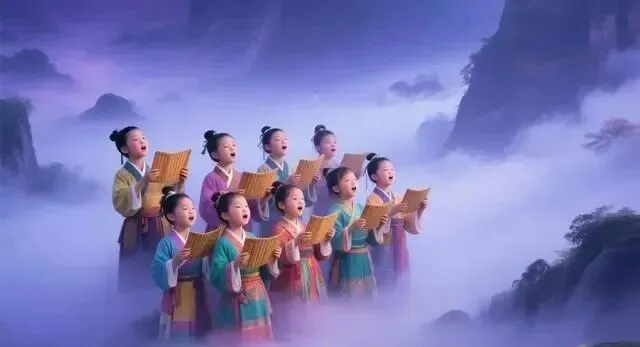
当孩童在课堂轻声吟诵《蒹葭》,那是千年文脉在新生代心中苏醒。
河间歌诗,不止是河间的歌,更是中华文明的回响。
让我们倾听这缕古韵,守护这份乡愁,让《诗经》的歌声,永远在华夏大地上流转不息。
请在微信客户端打开
When the spring breeze blows through the wheat fields, the old farmer sings' Spring breeze blows green by the wheat fields', which is a dialogue between land and poetry;
When children softly recite "Jiajia" in the classroom, it is the awakening of a millennium cultural heritage in the hearts of the new generation.
The songs and poems of Hejian are not just songs of Hejian, but also echoes of Chinese civilization.
Let us listen to this ancient charm, guard this homesickness, and let the singing of the Book of Songs forever circulate on the land of China.
小编读书的时候对歌诗就不太感兴趣!

本期互动
大家耳熟能详的《诗经》故事都有哪些?
欢迎评论区一起分享、学习!
内容策划 Presented |Min
+
排版 Editor |Min
+
校对 Proof |Charlotte
+
审核 Reviewer |Charlotte
+
图文版Copyrighr|网络
如有侵权请联系删除
P.L.A -Custom&研學源
探究传统文化艺术,深度探索非遗历史渊源宣扬艺术文化


微信号小红书
欢迎非遗传承人联系我们进行推广与学习
合作请联系后台,看到消息后我们会第一时间回复您!