听到一首以夏至为题的小众英文歌,想要更多了解夏至.顺嘴问豆包,豆包妙速给“论文”。新的感慨又生了出来!AI在倒逼更多的人们去使用知识,而不只是记住知识!这也是为什么某高考的英语阅读越来越深入“阅读”这个技能的本质。如何在海量知识中快速获取关键信息?这些信息可以怎么提高我们解决实际问题的能力......回归夏至的主题,我们的祖先早有自己的思考,那就一起来听听AI是怎么用英文介绍这些思考的。
但,记住,豆包还不成熟,它经常会为了“完成任务”,编造“事实”哦。
哈! Critical thinking,又是一个被AI时代倒逼的能力!
什么都信,像初入世的曾经的我们一样?还是什么都拒绝相信,像久经风霜的现在的我们?有时,我们难免只相信自己的绝对个人体验,并“趾高气扬”地对年轻人说,我吃过的盐,比你吃过的米都多;我走过的桥,比你走过的路都多。
还是,
岁月除了给我们的皱纹,
但同时也
让我们有了够用的常识褶皱,
保留了敏锐的情感触觉,
大脑尚能相对理性思考,
自我成长的潜意识驱动力
还在跃跃欲试......
Traditional Chinese Wisdom & Customs of the Summer Solstice

01 Philosophical & Agricultural Wisdom Behind the Summer Solstice|夏至蕴含的自然与农耕智慧
The Summer Solstice (Xiazhi), the 10th solar term of the traditional Chinese calendar, usually falls around June 21–22 every year. It is one of the earliest recorded solar terms in ancient China, with a history of more than 2,500 years. Rooted in traditional Yin-Yang philosophy, agricultural experience and TCM health preservation theories, it carries profound ancient Chinese wisdom.
☀️ Yin-Yang Transformation: Extreme Yang Breeds Yin|阴阳轮转:阳极生阴,盛极必衰
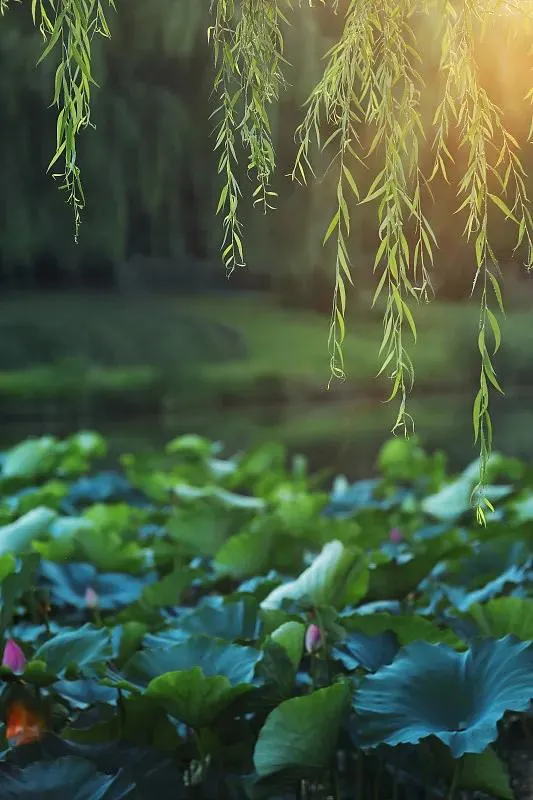
On the Summer Solstice, the Northern Hemisphere witnesses the longest daytime and shortest nighttime of the whole year. In traditional Chinese cosmology, qi follows a cyclic rule: “Extreme yang generates yin”.
This day marks the peak of yang qi in nature. From the Summer Solstice onward, vigorous yang gradually fades, and gentle yin qi begins to grow and accumulate quietly. The ancient proverb goes: “After Summer Solstice, yin grows while yang declines.”
This core principle guides seasonal health preservation: people avoid overeating spicy, hot and dry food, preventing excessive yang from burning the newly born yin energy inside the human body.
🌾 Ancient Agricultural Timing Wisdom|古法农耕:顺应时节,耕耘丰收
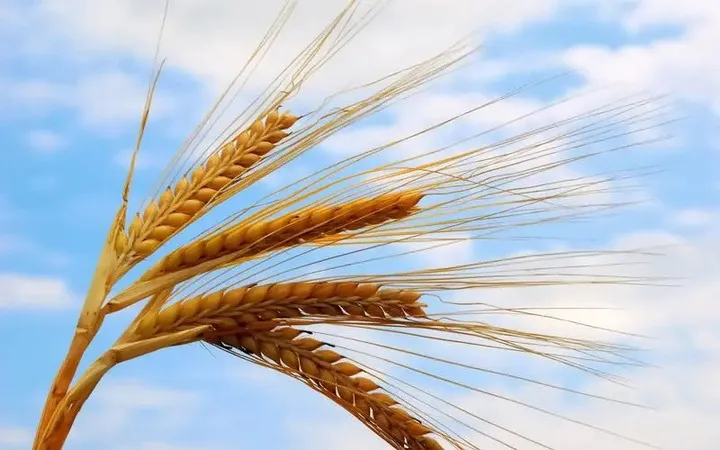
For ancient Chinese farmers, the Summer Solstice was a critical growth and management node for summer crops. Long daylight hours accelerate crop photosynthesis, pushing rice, millet and other summer grains into a fast-growing stage with high demand for water and field management.
Ancestors summarized practical weather proverbs for farming guidance.“Rain on Summer Solstice promises a bumper harvest” reflects traditional agronomic wisdom: proper rainfall at this stage ensures full grain filling and reduces crop failure risks. During this period, farmers concentrated on irrigation, weeding and pest control to guarantee autumn yields.
🌿 TCM Seasonal Health Preservation Philosophy|中医养生:顺时调养,滋阴护心
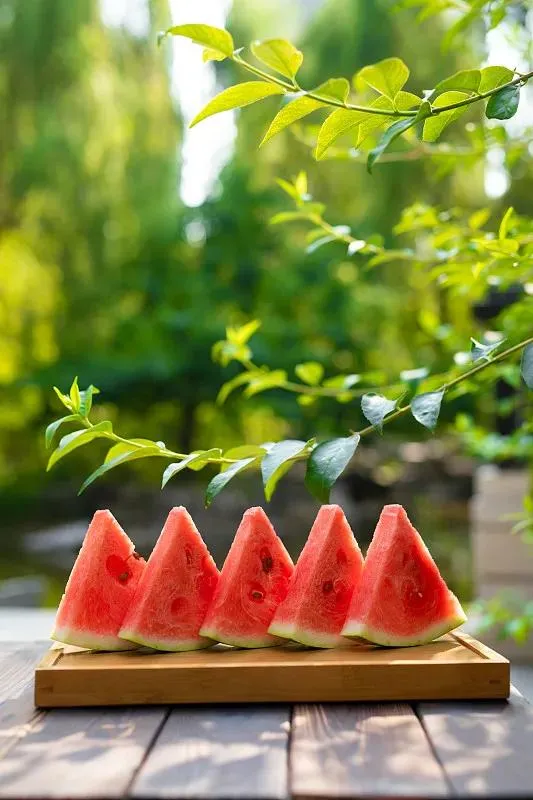
Traditional Chinese Medicine advocates“adapting the body to seasonal changes”on the Summer Solstice, focusing on nourishing heart qi and preserving yin:
• Take midday naps: Noon is the peak period of heart qi. A short siesta relieves summer fatigue and nourishes internal heart energy.
• Avoid excessive cold stimulation: Frequent intake of icy drinks or long stays in air-conditioned rooms will damage the newly sprouted yin qi and disturb spleen and stomach functions.
• Light and mild diet: Eat bitter and cooling foods such as mung beans, bitter melon and lotus seeds to clear internal summer heat and dampness, conforming to the rule of nourishing yin in summer.
02 Traditional Inherited Summer Solstice Customs|代代相传的夏至传统民俗
🍜 Eat Summer Solstice Noodles (Nationwide Classic)|夏至吃面(全民经典习俗)
The most well-known folk tradition: “Eat noodles on Summer Solstice, eat dumplings on Winter Solstice.”
Right before the Summer Solstice, winter wheat matures and is newly ground into flour. Eating noodles made of new wheat tastes the fresh harvest and prays for a prosperous grain season. Meanwhile, the long shape of noodles symbolizes the longest daytime of the solstice. People across China eat cold noodles, sauce noodles or hot soup noodles to adapt to the hot summer weather.
☀️ Worship the Sun (Royal & Folk Ritual)|祭日祈福(宫廷与民间古礼)
As the day with the strongest solar yang energy, the Summer Solstice was a sacred day for sun worship in ancient times. Imperial courts of Han, Tang and Song dynasties held grand official ceremonies to worship the sun god, expressing gratitude for sunlight nurturing all living things and sustaining agricultural production.
Folk families retained simpler rituals, offering newly harvested grains, seasonal fruits and handmade noodles to pray for sufficient rainfall, no natural disasters and a smooth summer.
⚖️ Weighing People (Jiangnan Folk Custom)|夏至称重(江南特色民俗)
A unique traditional custom popular in Jiangnan regions: weighing adults and children before and after the Summer Solstice.
Ancient people believed that scorching summer heat easily causes weight loss, fatigue and physical weakness. Regular weighing records physical changes, reminding people to adjust diet and rest. Parents would prepare longans, lychees and nourishing light dishes for children to resist summer exhaustion and maintain good health.
🥮 Eat Summer Solstice Cakes (Southern China)|食夏至糕(南方传统习俗)
In southern Jiangsu and Zhejiang provinces, locals bake seasonal solstice cakes with newly harvested wheat flour, matched with red beans, sesame seeds and osmanthus. The soft and sweet cakes are shared among relatives and neighbors, carrying sincere wishes for a safe summer and fruitful harvest.
🌼 Herbal Bath & Sachet Wearing|草药沐浴、佩戴香囊
To prevent seasonal summer illnesses, ancient people formed health customs closely linked to herbal plants. On the Summer Solstice, families boil wormwood and calamus for herbal baths, which dispel summer dampness, clear internal toxins and repel mosquitoes.
Both adults and children wear handmade sachets filled with wormwood, chrysanthemum and aromatic herbs. The fresh scent refreshes the mind, wards off evil qi and serves as a traditional summer health blessing.
🍒 Lychee & Longan Tasting (Lingnan Custom)|品荔食龙眼(岭南专属习俗)
In Guangdong, Guangxi and Fujian, lychees and longans ripen perfectly around the Summer Solstice. Local folks have a time-honored saying: “A lychee on Summer Solstice beats a ginseng tonic.”
These seasonal fruits nourish qi and blood, relieve summer dryness and fatigue, helping people adapt to the hot and humid Lingnan summer climate.
Wrap-up|结语The Summer Solstice is not merely a seasonal turning point, but a concentrated embodiment of traditional Chinese wisdom—respecting nature, balancing yin and yang, and living in harmony with seasonal rhythms. Those simple and warm customs have been passed down for thousands of years, linking ancient agricultural civilization with modern daily life.
|(注:部分内容可能由 AI 生成)
